
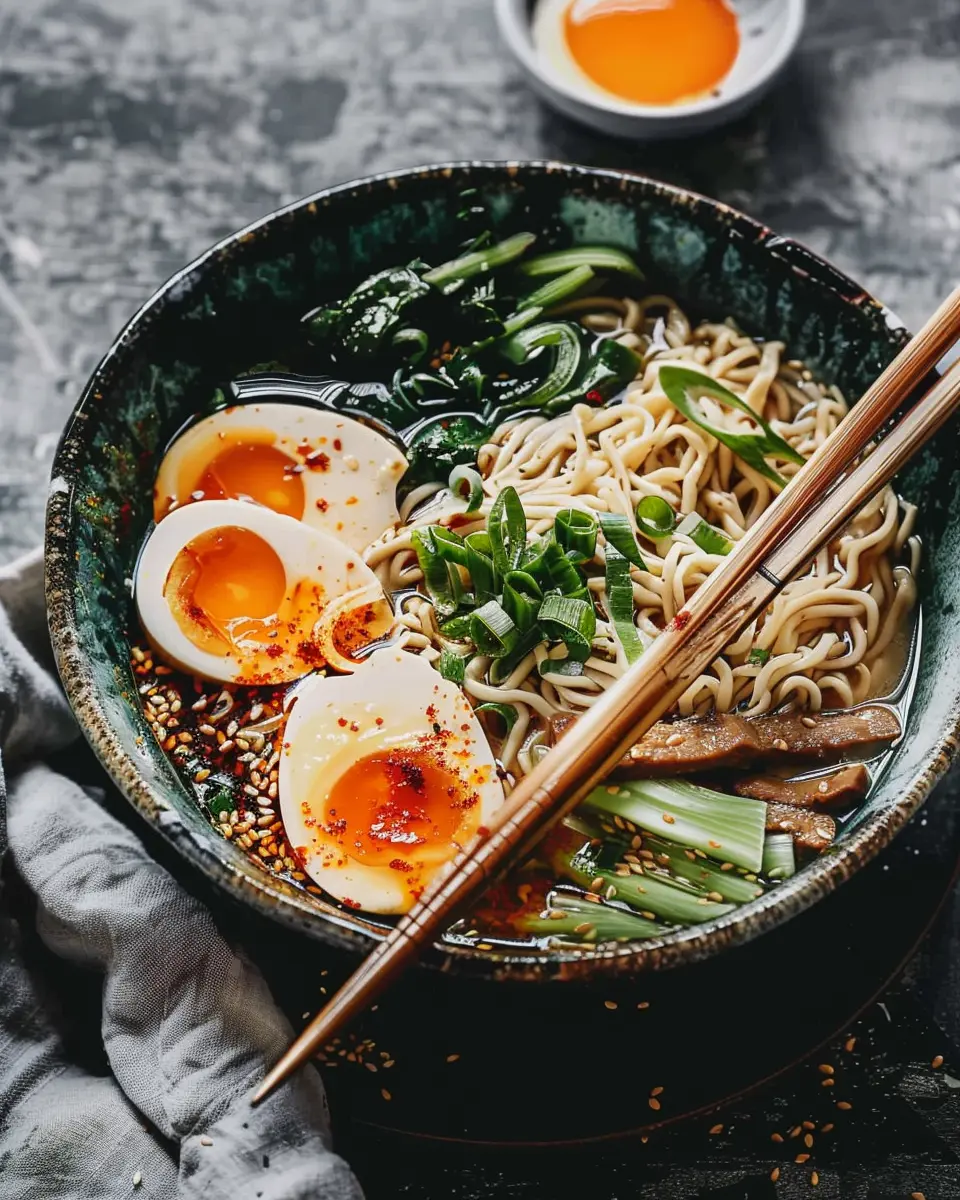
Introduction to Homemade Ramen
When it comes to comfort food, few dishes can match the warmth and satisfaction of a steaming bowl of homemade ramen. You might be wondering, “Why should I invest my time in making ramen from scratch rather than just grabbing a quick takeout?” Well, let me share a few reasons why homemade ramen is worth the effort.
Why Homemade Ramen is Worth the Effort
Crafting your own ramen at home may seem daunting, but it’s a rewarding experience that ignites creativity in the kitchen. Here are several reasons to consider:
-
Quality Ingredients: When you make homemade ramen, you control what goes in it. Choose fresh, high-quality ingredients like organic vegetables and premium beef or turkey bacon. This means that you initiate a wholesome meal, free from artificial flavors and preservatives common in instant ramen.
-
Customization: Want to add spicy miso paste, exchange chicken ham for turkey bacon, or throw in some extra vegetables? With homemade ramen, the sky’s the limit. You can tailor your bowl to suit your tastes and dietary preferences.
-
Nutritional Benefits: Homemade meals are generally healthier than their takeout counterparts. By using lean proteins, fresh vegetables, and whole grains, you can create a nutritious dish that satisfies both your hunger and health goals. A study from the National Institute of Health (NIH) suggests that home-cooked meals can lead to better nutritional intake and weight management.
-
Fun and Creativity: Cooking your own ramen can be a therapeutic process. Think about experimenting with different broths, toppings, and noodle textures. You might even surprise yourself with what you can create!
-
Gathering with Friends: There’s something communal about making and sharing a big pot of ramen with friends. Encourage your pals to bring their favorite toppings and make it a fun, interactive meal. Who wouldn’t enjoy a ramen bar at a gathering?
In summary, while it may take some extra time and effort to create homemade ramen, the benefits—ranging from enhanced flavor to personal satisfaction—are undeniably worth it. Ready to dive into the delightful world of ramen? Stick around to learn how to craft your signature bowl!
To explore more about the cultural significance of ramen, check out this article on Ramen Facts.
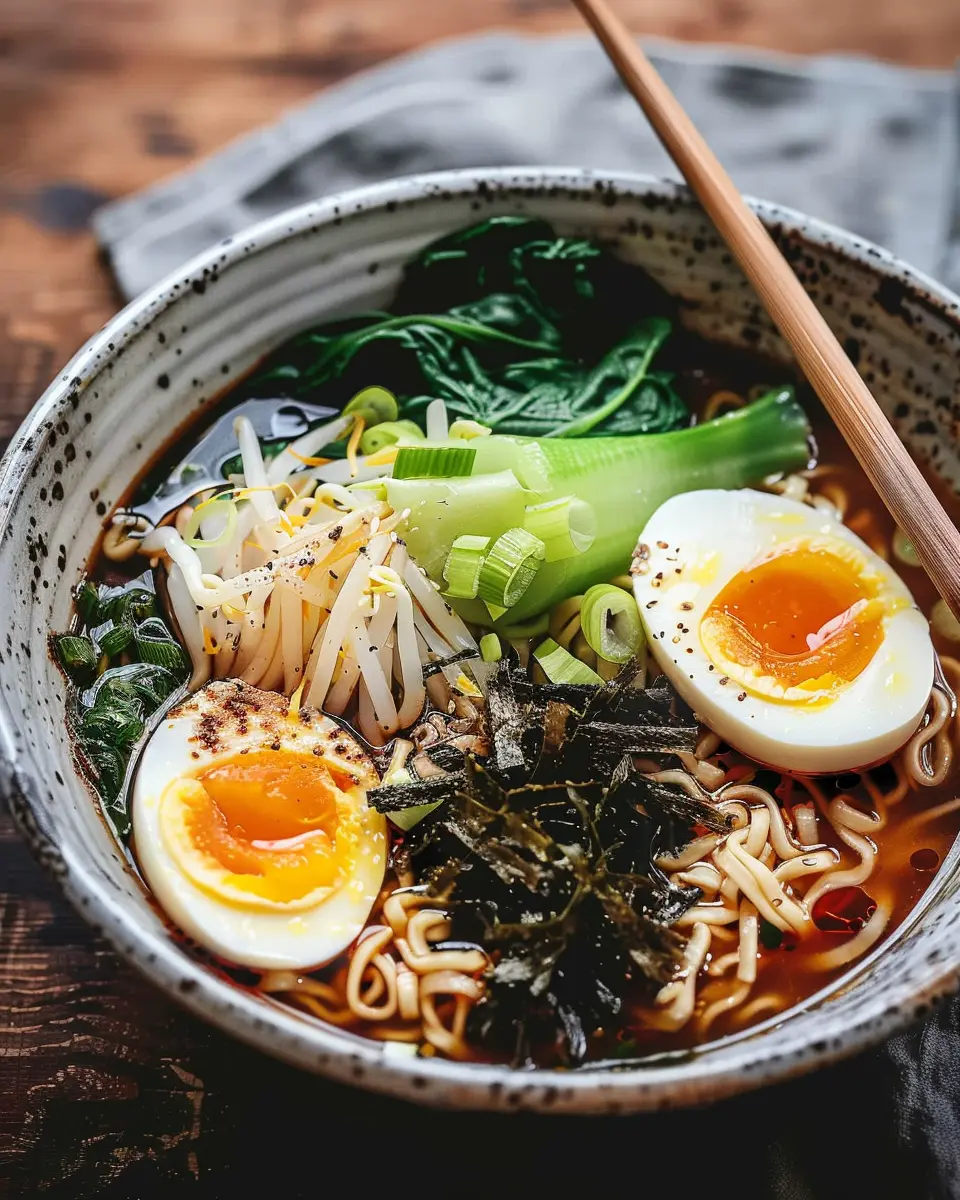
Ingredients for Homemade Ramen
Essential ingredients for the perfect bowl of ramen
Creating your own homemade ramen is an invigorating experience that allows you to impress your friends and family with a taste of Japan right in your kitchen. To craft a perfect bowl, you’ll need some key ingredients:
- Noodles: Fresh ramen noodles are ideal, but dried ones will work in a pinch.
- Broth: A rich, flavorful broth is crucial; options include chicken, beef, or a veggie broth.
- Protein: Think about adding turkey bacon or chicken ham for that smoky, satisfying flavor.
- Toppings: Classic choices include green onions, nori (seaweed), and a soft-boiled egg.
Curious about noodle types? Check out this guide to ramen noodles to help you decide.
Optional add-ins for customization
The beauty of homemade ramen lies in its versatility! Feel free to personalize your bowl by adding:
- Vegetables: Spinach, mushrooms, and corn add vibrant colors and nutrients.
- Sauces: A splash of soy sauce or miso can elevate the broth’s depth.
- Spices: For heat, consider chili oil or sesame seeds for a nutty finish.
By mixing and matching these ingredients, you can create a uniquely delicious bowl that caters to your taste buds! What will you put in your ramen?
Preparing Homemade Ramen
Creating a bowl of homemade ramen is an art that combines various cooking techniques and fresh ingredients. It’s a gratifying experience that engages all your senses—from the rich, fragrant broth to the vibrant toppings. Let’s dive into the steps you need to take to prepare your own delicious ramen!
Step 1: Prepare the Eggs
Starting with the eggs can set the tone for your homemade ramen experience. Soft, creamy eggs are a standout feature in many ramen bowls. Here’s how to do it perfectly:
- Soft boil: Bring a pot of water to a gentle boil. Gently lower the eggs into the water and let them cook for about 6-7 minutes.
- Ice bath: As soon as they are done, transfer the eggs to an ice bath to stop the cooking process. This will help you achieve that silky, runny yolk.
- Peel & marinate: Once cooled, peel the eggs and marinate them in a mixture of soy sauce, mirin, and a splash of water for at least 30 minutes. This will infuse flavor into the eggs.
Pro Tip: For extra flavor, consider adding a dash of sesame oil to your marinade. It’s a little touch that can make a big difference.
Step 2: Boil the Broth
The broth is the soul of your ramen. It can be quite a project, but the payoff is well worth the effort:
- Flavor base: Start with a combination of chicken bones or beef bones, aromatics like garlic, ginger, and green onions, and water.
- Simmer: Bring everything to a boil, then lower the heat and let it simmer for 4-6 hours. This slow cooking allows the flavors to meld beautifully.
- Strain: After simmering, strain the broth to remove solids. You should be left with a rich, flavorful liquid.
If you’re tight on time, check out Serious Eats’ guide for quick broth recipes that don’t compromise on flavor.
Step 3: Cook the Ramen Noodles
Choosing the right noodles can elevate your homemade ramen to the next level. Here’s how to cook them just right:
- Prepare: Follow the package instructions for your ramen noodles. Fresh noodles usually cook faster than dried ones—so keep an eye on the clock.
- Al dente: Aim for an al dente texture for that ideal bite, as they will continue to cook a bit once added to the hot broth.
For an irresistible twist, try hand-pulling your noodles! It’s a bit of a workout but worth the experience.
Step 4: Add the Aromatics and Vegetables
A perfect ramen bowl is topped with a bounty of fresh flavors:
- Aromatics: Sauté sliced garlic and ginger in some sesame oil until golden brown.
- Veggies: Stir in your choice of vegetables. Common additions include bok choy, spinach, or mushrooms.
- Protein: Incorporate grilled turkey bacon or sliced chicken ham to enrich your broth.
These vibrant toppings not only add flavor but also make your bowl visually appealing.
Step 5: Assemble Your Ramen Bowl
Now comes the fun part—putting it all together!
- Ladle the broth: Start by pouring your hot broth into a deep ramen bowl.
- Add noodles: Place the cooked noodles in the center, ensuring that they’re surrounded by broth.
- Top it off: Nestle your marinated eggs, sautéed aromatics, turkey bacon, and vegetables elegantly. Finish with a sprinkle of green onions or a drizzle of chili oil for extra flavor.
Presenting your homemade ramen thoughtfully can enhance the dining experience. Don’t forget to take a moment to appreciate your creation before diving in!
By embracing these steps, you’re not just making ramen—you’re creating a comforting experience that you’ll want to replicate time and again. Enjoy your culinary journey!
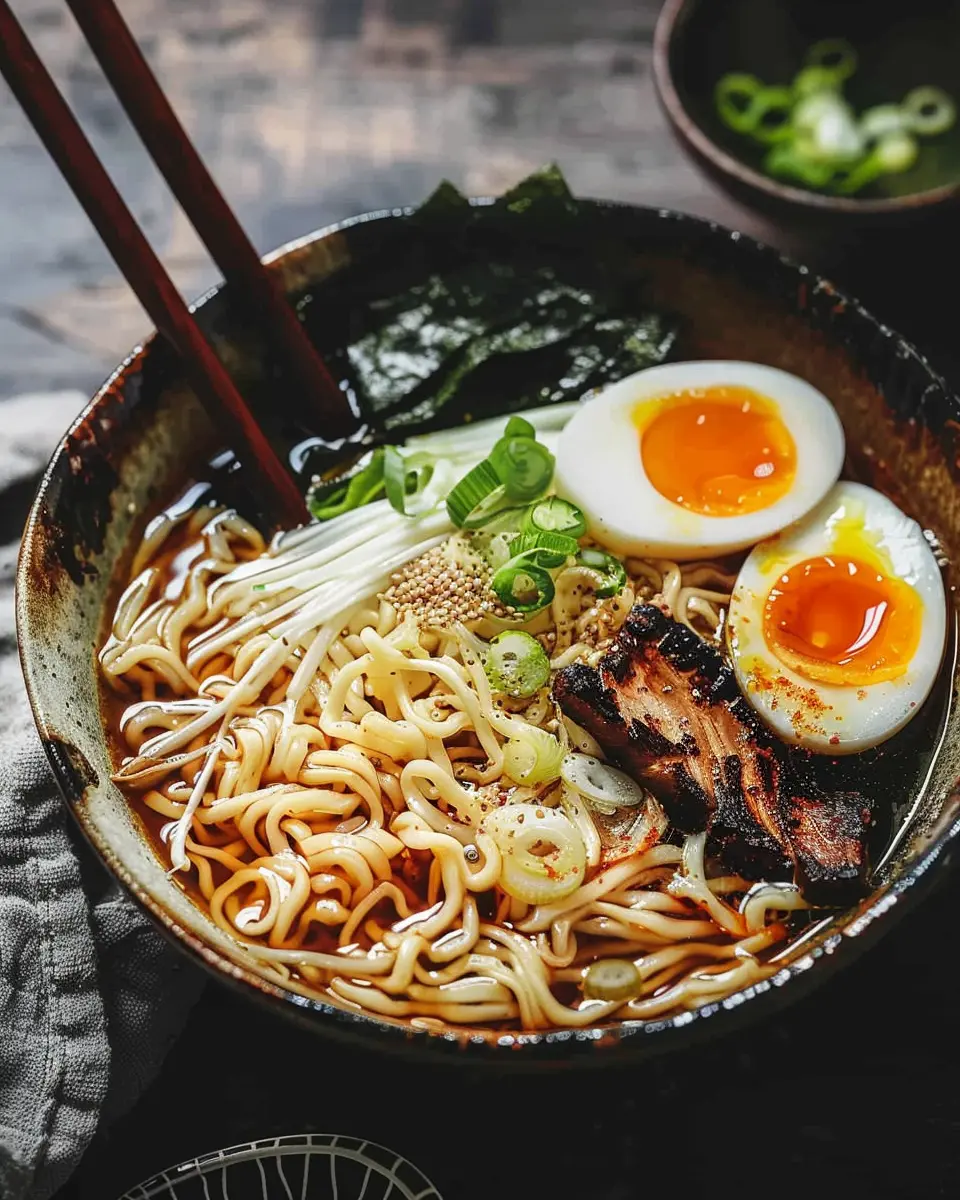
Variations on Homemade Ramen
Creating your own personalized version of homemade ramen is not only fun but also a fantastic way to cater to your unique taste preferences. Whether you crave something spicy or prefer a hearty, vegetarian option, there’s a variation for everyone.
Spicy Miso Ramen
If you’re looking to kick things up a notch, spicy miso ramen is a must-try. Start with a rich miso base, blending together red miso paste with chili oil and a splash of soy sauce. To boost the heat, consider adding sliced jalapeños or a sprinkle of crushed red pepper. For proteins, toss in some turkey bacon or even marinated tofu chunks. Top it with fresh scallions and a soft-boiled egg for that perfect finishing touch.
Vegetarian Ramen
Vegetarian ramen is not just for those who avoid meat; it’s a delightful dish that packs a punch in flavor. Begin with a vegetable broth as your base, then enhance it with a variety of umami-rich ingredients like shiitake mushrooms, bok choy, and fresh ginger. For protein, consider adding edamame or marinated tempeh. You can also make a rich sesame sauce to drizzle on top, balancing the dish beautifully. Check out this guide for more vegetarian tips.
Seafood Ramen
Seafood lovers, rejoice! A seafood ramen can elevate your dining experience to new heights. Start with a light, flavorful broth, such as a fish or clam base. Enhance the depth of flavor with seaweed, and don’t forget the fresh seafood. Shrimp, scallops, and even chunks of crab can turn your ramen into a gourmet dish. Add a garnish of nori (seaweed) strips and a hint of lemon juice for a refreshing finish. Try to incorporate seasonal seafood for the best taste and sustainability.
With these variations on homemade ramen, you’ll never run out of delicious possibilities. Each bowl can be uniquely flavored, giving you a chance to experiment and find your favorite combination!
Cooking Tips and Notes for Homemade Ramen
Tips for More Flavorful Broth
Crafting the perfect broth is key to elevating your homemade ramen experience. For a deeper, richer flavor, consider these tips:
- Use Bones: Beef bones are great for extraction of flavor and gelatin. If you can, roast them beforehand to develop a fuller taste.
- Add Aromatics: Ingredients like onion, ginger, and garlic pack your broth with an inviting aroma. Toss them in whole or chopped.
- Umami Boosters: Don’t shy away from adding soy sauce, miso, or even a splash of fish sauce for that irresistible umami kick. For more depth, try incorporating dried mushrooms.
Common Cooking Mistakes to Avoid
Even seasoned cooks can slip up when making ramen. Here are some common pitfalls to steer clear of:
- Skipping the Simmer: Rushing the broth can leave it bland. Let it simmer low and slow for at least a couple of hours—this is where the magic happens!
- Overcooking Noodles: Fresh ramen noodles need a quick boil just before serving. Follow package instructions closely for the best texture.
- Ignoring Toppings: Flavorful toppings like shredded turkey bacon or chicken ham are vital—not just for flair, but for taste. A bowl feels incomplete without them!
By following these tips, your homemade ramen will not just fill the stomach, but also nourish the soul. Happy cooking! Want to dive deeper into broth-making? Check out this guide on the basics of ramen broth for more insider knowledge.
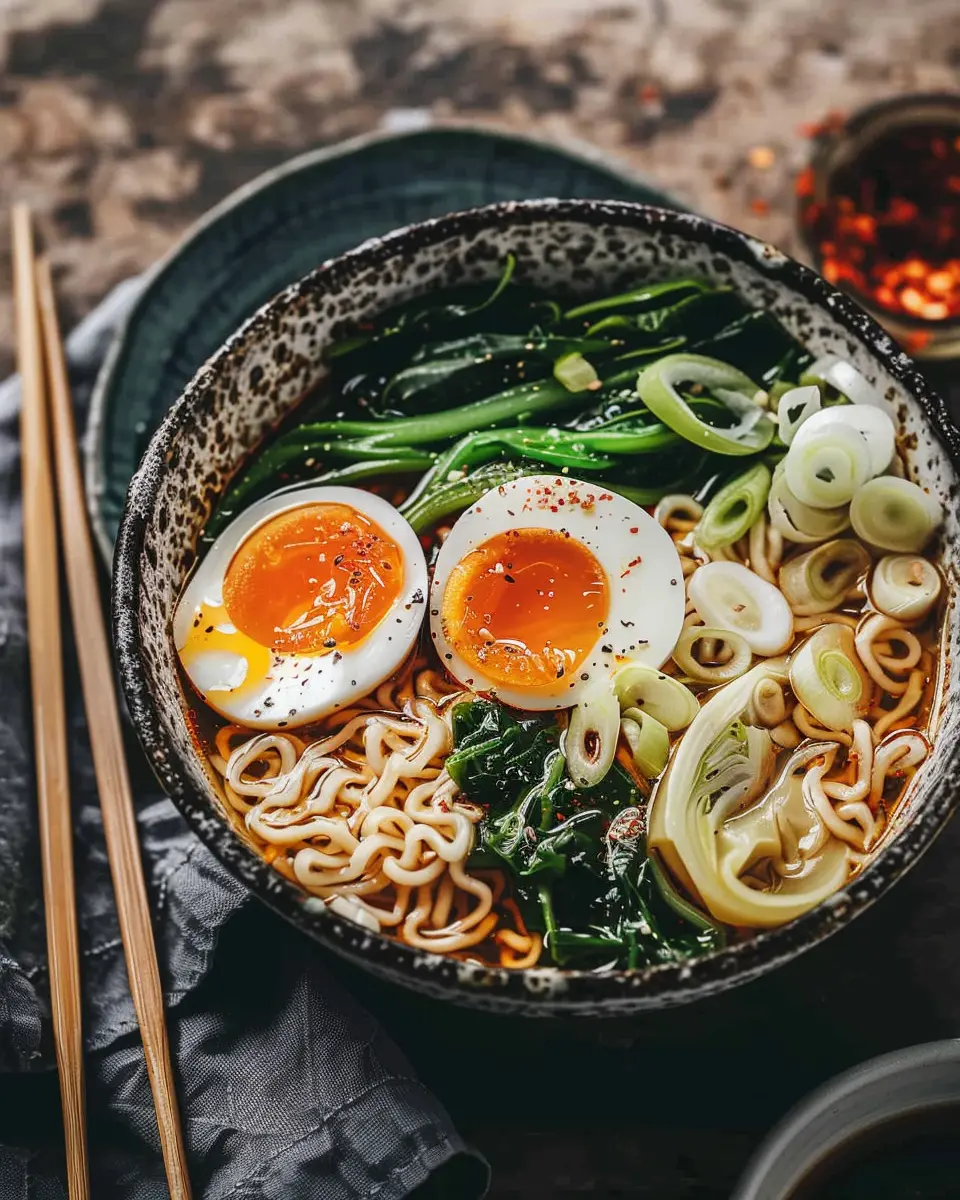
Serving Suggestions for Homemade Ramen
When you’re diving into a bowl of homemade ramen, getting the toppings and pairings just right can elevate your experience from good to unforgettable. Here’s how to amplify your meal.
Perfect Pairings for Your Ramen Bowl
To complement your ramen, consider adding a side of crisp lettuce wraps, which provide a refreshing crunch. Alternatively, you could whip up a simple cucumber salad with sesame dressing. Both options balance the richness of the broth beautifully.
- Grilled vegetables, like bok choy and asparagus, can add a smoky depth.
- A light, citrusy miso soup offers an exciting contrast.
For those looking for flavor inspiration, renowned ramen chef Ivan Orkin suggests experimenting with unique broths. Check out Serious Eats for guidance on crafting your ideal soup base!
Creative Garnishes to Elevate Your Dish
Garnishing your homemade ramen makes each bowl visually appealing. Think about sprinkling:
- Chopped green onions for a fresh bite.
- A soft-boiled egg, marinated in soy sauce, which enhances richness.
For crunch, consider adding nori strips or a sprinkle of fried garlic. Each of these garnishes not only amplifies flavor but also adds a textural element that makes each slurp deliciously enjoyable.
Feeling inspired? Try testing out your own creative twist on these garnishes!
Time Breakdown for Homemade Ramen
Preparation Time
Making homemade ramen doesn’t have to be a marathon of kitchen chaos! Set aside about 30 minutes for prep. This includes gathering ingredients, chopping veggies, and getting your mise en place ready so you can smoothly navigate through the cooking process.
Cooking Time
Once you’re prepped, the cooking time comes to about 1 hour. This involves simmering your broth and cooking the noodles just right. Trust me, those rich flavors that develop in this time are absolutely worth it!
Total Time
In total, you’re looking at approximately 1.5 hours for a delicious bowl of homemade ramen. Just think of it as an investment in comfort food that’ll impress your friends and family! For some extra tips, check out Serious Eats for insights on perfecting those flavors. Happy cooking!
Nutritional Facts for Homemade Ramen
When you whip up a delightful bowl of homemade ramen, it’s not just a feast for the taste buds but also a chance to nourish your body. Let’s break it down:
Calories
A typical serving of homemade ramen can range between 300-600 calories, depending on the ingredients you choose. Using whole ingredients helps you maintain a balanced meal without sacrificing flavor.
Protein
This flavorful dish can offer around 20-30 grams of protein, especially if you include toppings like turkey bacon or chicken ham. Incorporating protein-rich broth will also boost your intake, making it a satisfying meal.
Sodium
Many store-bought ramen options pack in excessive sodium. However, with your homemade ramen, you can control it. Expect approximately 800-1200 mg of sodium per serving, but feel free to reduce it by making your own soup base or using low-sodium broth.
For a healthier lifestyle, consider exploring nutrition guidelines from authoritative sources to further enhance your recipes! Remember, eating well doesn’t have to be boring; make your homemade ramen a regular in your meal rotation and customize it with fresh veggies and spices.
FAQs about Homemade Ramen
Can I make homemade ramen ahead of time?
Absolutely! One of the great things about homemade ramen is that you can prepare several components in advance. Broths can be made a day or two ahead, allowing flavors to deepen. Just store it in an airtight container in the fridge. As for the toppings, like Turkey Bacon or Chicken Ham, feel free to cook those and refrigerate as well. When you’re ready to enjoy your ramen, just reheat your broth and assemble your bowl!
What can I substitute for ramen noodles?
If you’re looking for alternatives to traditional ramen noodles, options abound!
- Udon noodles: These thick, chewy noodles are a fantastic substitute that will provide a similar texture.
- Rice noodles: Great for gluten-free versions, these noodles will absorb the broth flavors well.
- Zoodles: If you’re feeling health-conscious, spiralized zucchini can add a fresh twist to your bowl.
Feel free to experiment with various types and find what suits your palate!
How do I store leftover ramen?
Storing leftovers properly ensures you can enjoy your delicious homemade ramen later. For best results, keep the broth separate from the noodles and toppings.
- Broth: Store it in a sealed container in the fridge for about 3 to 4 days. You can also freeze it for longer storage.
- Noodles and toppings: Keep these in separate containers. They can typically last 2 to 3 days in the fridge.
When reheating, remember to do so on low heat to avoid losing that delicious texture. For additional insights on storing homemade meals, you might want to check sources like the USDA’s food safety guidelines.
Homemade ramen can be as flexible and delicious as your imagination allows—enjoy!
Conclusion on Homemade Ramen
The Joy of Creating Your Own Ramen Masterpiece
Making homemade ramen isn’t just about preparing a meal; it’s an art form that allows you to express your creativity. With each step, from simmering broth to choosing toppings, you’re crafting a bowl that reflects your unique taste. There’s a special satisfaction that comes from tasting your own creation—every slurp becomes a delightful affirmation of your efforts.
Additionally, the versatility of ramen means you can experiment endlessly with flavors, textures, and ingredients. Whether you’re a fan of rich beef broths or prefer something lighter, the possibilities are endless! Embrace the process, and remember, perfection is in the joy of making it your own. For more tips, check out resources such as Serious Eats or New York Times Cooking for expert insights and inspiration!
PrintHomemade Ramen Made Easy: Satisfying Comfort with Turkey Bacon

A simple and delicious homemade ramen recipe using turkey bacon for a satisfying comfort meal.
- Prep Time: 10 minutes
- Cook Time: 15 minutes
- Total Time: 25 minutes
- Yield: 4 servings 1x
- Category: Main Dish
- Method: Stovetop
- Cuisine: Japanese
- Diet: None
Ingredients
- 4 cups chicken broth
- 2 packages of ramen noodles
- 1 cup sliced turkey bacon
- 2 green onions, chopped
- 2 eggs
- 1 teaspoon soy sauce
- 1 teaspoon sesame oil
- 2 cloves garlic, minced
- 1 inch ginger, sliced
Instructions
- In a pot, bring the chicken broth to a simmer.
- Add the garlic, ginger, and soy sauce to the broth.
- Cook the ramen noodles according to package instructions, then add them to the broth.
- In a separate pan, cook the turkey bacon until crispy.
- Boil eggs for 6-7 minutes, then peel and slice.
- Serve the ramen in bowls, topped with turkey bacon, green onions, and a sliced egg.
- Drizzle with sesame oil before serving.
Notes
- Feel free to add other toppings like spinach or mushrooms for extra flavor.
- Adjust the soy sauce according to taste.
Nutrition
- Serving Size: 1 bowl
- Calories: 350
- Sugar: 1g
- Sodium: 800mg
- Fat: 15g
- Saturated Fat: 4g
- Unsaturated Fat: 8g
- Trans Fat: 0g
- Carbohydrates: 45g
- Fiber: 2g
- Protein: 20g
- Cholesterol: 150mg
Keywords: Homemade Ramen, Turkey Bacon, Comfort Food, Easy Recipe