Introduction to French Butter Cake
What is French Butter Cake?
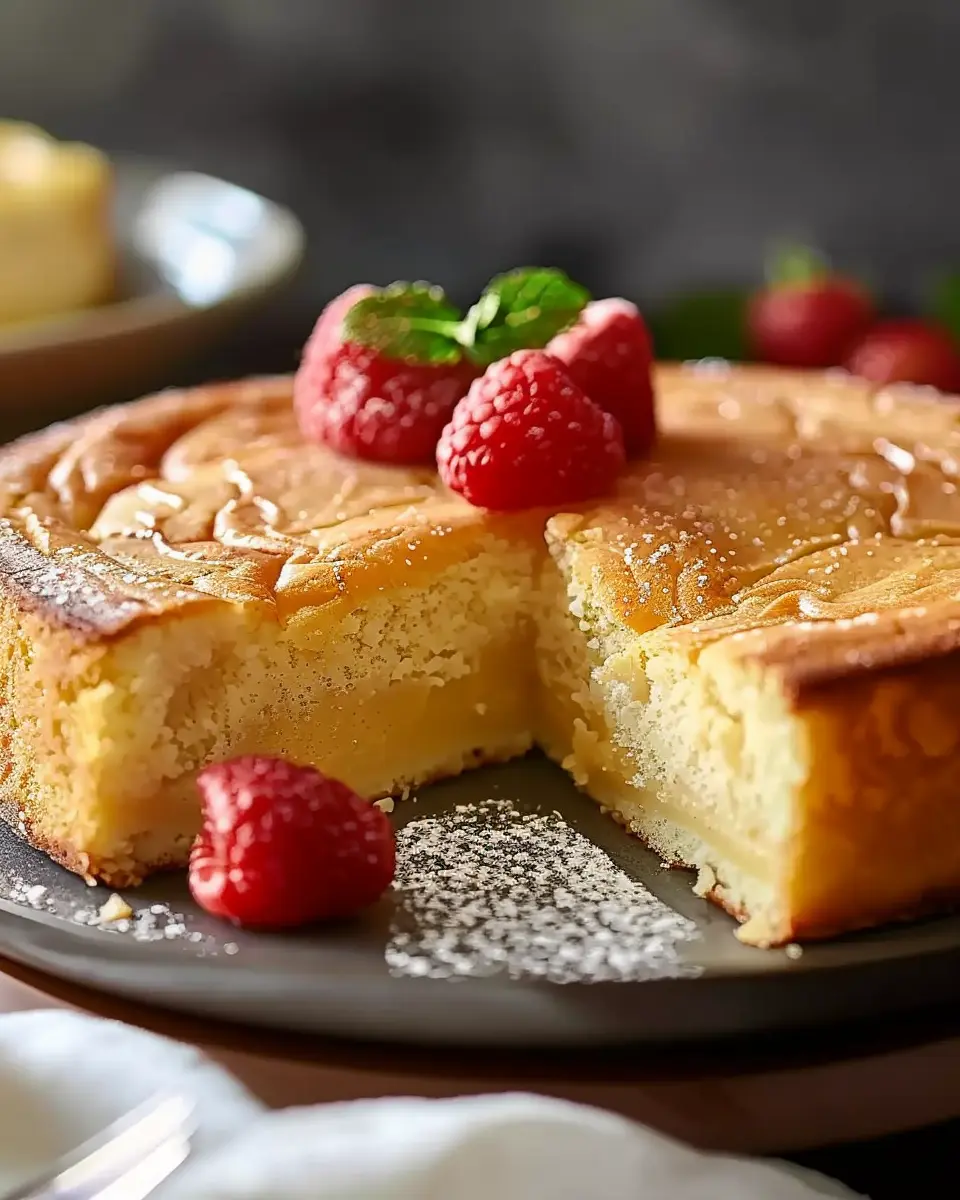
French Butter Cake is a delightful dessert that epitomizes the elegance of French baking. Characterized by its rich, buttery flavor and tender crumb, this cake is made primarily from butter, sugar, eggs, flour, and a hint of vanilla. Unlike some other cakes that rely heavily on additional flavoring or ingredients, its simplicity allows the buttery taste to shine through. This cake can be enjoyed on its own or paired with fruits, chocolate, or even a simple glaze.
The history and origins of French Butter Cake
The roots of French Butter Cake can be traced back to traditional French patisserie, where cakes were crafted with precision and artistry. Legend has it that this cake originated in the region of Normandy, known for its rich dairy products. As the cake gained popularity, it spread throughout France and beyond, inspiring local adaptations and variations.
According to the French Culinary Institute, the use of butter in baking was a significant trend, particularly during the 17th and 18th centuries, when French chefs began to emphasize richness and flavor. The technique of creaming butter and sugar together became refined, leading to the creation of cakes like this one. This historical context not only lends the French Butter Cake its authenticity but also adds a rich narrative to your baking experience.
Why this cake is perfect for homemade meals
So why is French Butter Cake the ideal choice for your next homemade meal? Here are a few reasons:
- Versatility: This cake can be served at any occasion, from casual gatherings to festive celebrations. You can dress it up with seasonal fruits or keep it simple with a dusting of powdered sugar.
- Easy to Make: Even for novice bakers, this cake is straightforward and requires minimal ingredients, making it a perfect project for a cozy weekend.
- Pairability: It complements a variety of dishes and can be enjoyed with coffee or tea, making it a delightful addition to a brunch spread.
Incorporating this cake into your meal plan can elevate even the simplest of gatherings, bringing a touch of French sophistication to your table. Whether you’re crafting delicate bites to enjoy with friends or simply indulging in a slice by yourself, the French Butter Cake is sure to impress!
Ingredients for French Butter Cake
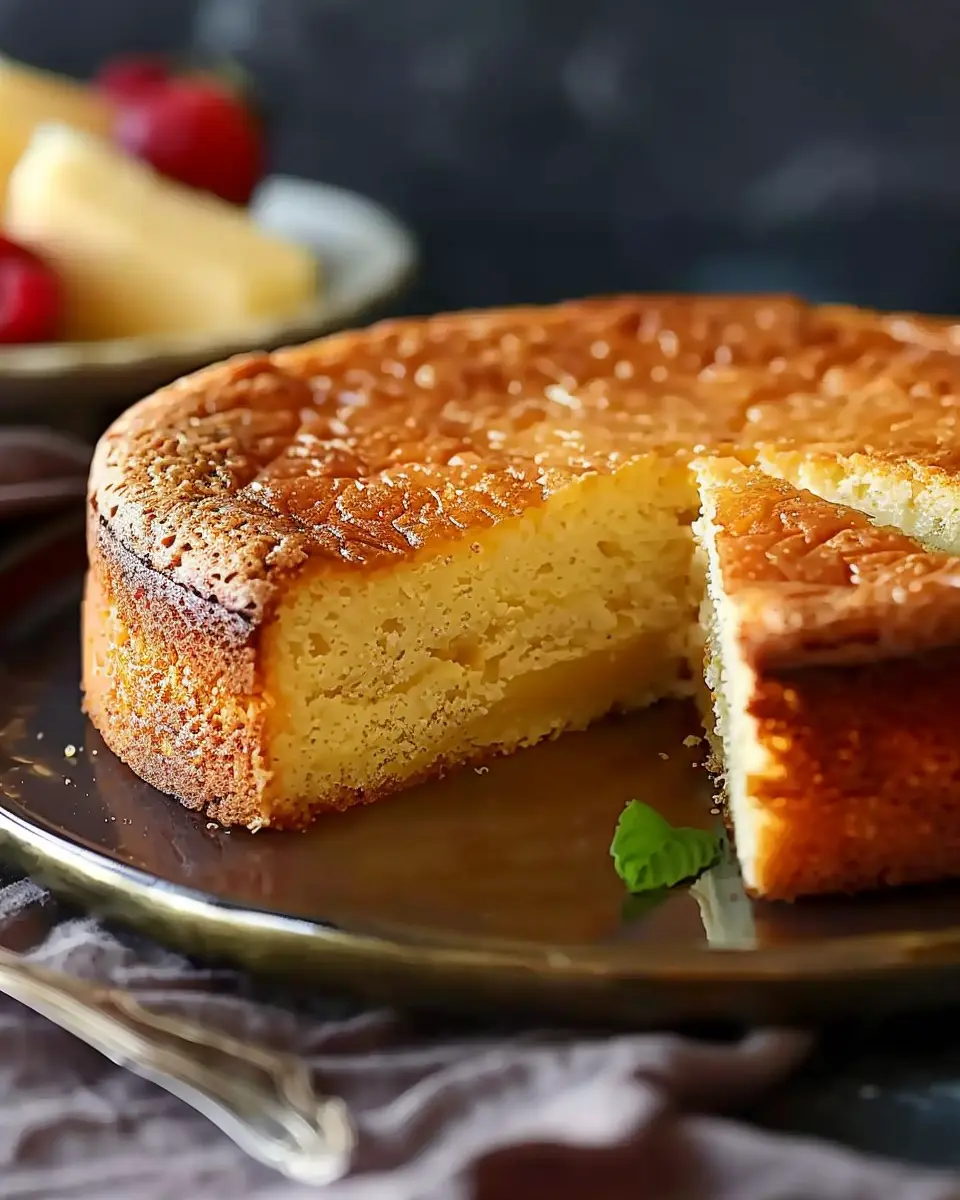
When creating the delightful French Butter Cake, the quality of your ingredients is key. Let’s dive into what you’ll need to make this classic dessert shine!
Essential Ingredients for the Filling
For a scrumptious filling, you’ll want:
- Butter: Use high-quality unsalted butter for a rich flavor.
- Sugar: Granulated sugar works best to achieve the right sweetness and texture.
- Eggs: Fresh eggs are essential for a fluffy consistency.
- Flour: All-purpose flour will give your cake the perfect structure.
- Vanilla Extract: A splash of pure vanilla adds depth to the flavor profile.
Key Ingredients for the Dough
For the dough, gather the following:
- Butter: The cornerstone of your cake’s buttery goodness.
- All-Purpose Flour: This is your main dry ingredient; worth investing in quality.
- Powdered Sugar: It lends a softer touch compared to granulated sugar.
- Salt: Just a pinch to enhance all the other flavors.
What to Consider When Selecting Ingredients
When selecting your ingredients for the French Butter Cake, opt for the freshest options available. Organic and locally sourced items often provide the best flavor. If you’d like to read more about the impact of quality ingredients on baking, check out Serious Eats.
Don’t forget to consider texture as well—using room temperature ingredients ensures proper mixing. Happy baking!
Preparing French Butter Cake
If you’re looking to bake something that embodies the rich flavors of French cuisine, then French Butter Cake might just be the perfect choice for you. This cake is buttery, moist, and incredibly indulgent. Let’s dive into how to create this masterpiece step-by-step, ensuring you achieve that sought-after texture and flavor every time.
Making the Filling
First things first — it’s all about the filling. The filling is where you can infuse fantastic flavors that complement the buttery goodness of the cake itself. Here’s what you’ll need:
- 1 cup of sugar
- 1/2 cup of softened butter
- 1/4 cup of cream cheese
- 1 tablespoon of vanilla extract
- A pinch of salt
Start by creaming the butter and cream cheese together until they’re fluffy. This adds a lovely richness to the filling. Gradually mix in the sugar, and then add your vanilla extract and salt. To elevate the flavors even more, consider adding a hint of lemon zest or your favorite spices. Ultimately, your goal is to create a luscious filling that will permeate the cake as it bakes, leading to a beautifully balanced flavor profile.
Preparing the Dough
Next up is the dough, which is the star of your French Butter Cake. Here’s a simple ingredient list to get you going:
- 2 cups of all-purpose flour
- 1 teaspoon of baking powder
- 1 teaspoon of baking soda
- 1/4 teaspoon of salt
- 1 cup of softened butter
- 1 cup of sugar
- 4 large eggs
- 1 cup of buttermilk or a non-dairy alternative
Begin by combining your dry ingredients (flour, baking powder, baking soda, and salt) in a bowl; whisk them together. This step is crucial as it aerates the flour, giving you a light and fluffy cake.
In another bowl, beat the softened butter and sugar together until light and fluffy, which should take about 4 to 5 minutes. Then, incorporate the eggs one at a time, ensuring each one is fully mixed in before adding the next. This helps to create an airy texture that you’ll love in your French Butter Cake.
Combining Ingredients for the Perfect Texture
Now, let’s talk about combining those ingredients. Alternate adding the dry mixture and the buttermilk into the butter-sugar-egg mix. It’s essential to do this gradually, about one-third at a time, to avoid any lumps. Mix gently until just combined; overmixing can lead to a denser cake texture, which we’re trying to avoid!
A tip from the experts: always ensure your ingredients are at room temperature. This simple trick allows them to blend more smoothly, enhancing the final texture of your cake.
Assembling the Cake
With your filling and dough ready, it’s time to put everything together. Grease your cake pans thoroughly and dust them with flour to prevent sticking. Pour half of your dough into each pan, spreading it evenly.
Next, add a generous layer of your prepared filling in the middle. Then gently top it off with the remaining dough — be sure to cover the filling completely so that all those magical flavors are sealed in as it bakes.
Baking to Perfection
Finally, let’s talk about the baking process. Preheat your oven to 350°F (175°C) and place your assembled cake in the oven. Bake for about 25-30 minutes, or until a toothpick inserted in the center comes out clean. The time might vary slightly based on your oven, so it’s a good idea to keep an eye on your cake while it’s baking.
Once done, let the cake cool in pans for about 10 minutes before transferring to a wire rack. This will ensure your cake remains moist and fluffy.
Making a French Butter Cake is a delightful experience that brings the essence of French baking right into your kitchen. So roll up your sleeves and get baking — this cake is sure to impress at your next gathering, and trust me, people will be asking for your secret recipe!
Variations on French Butter Cake
Seasonal Fruit Variations
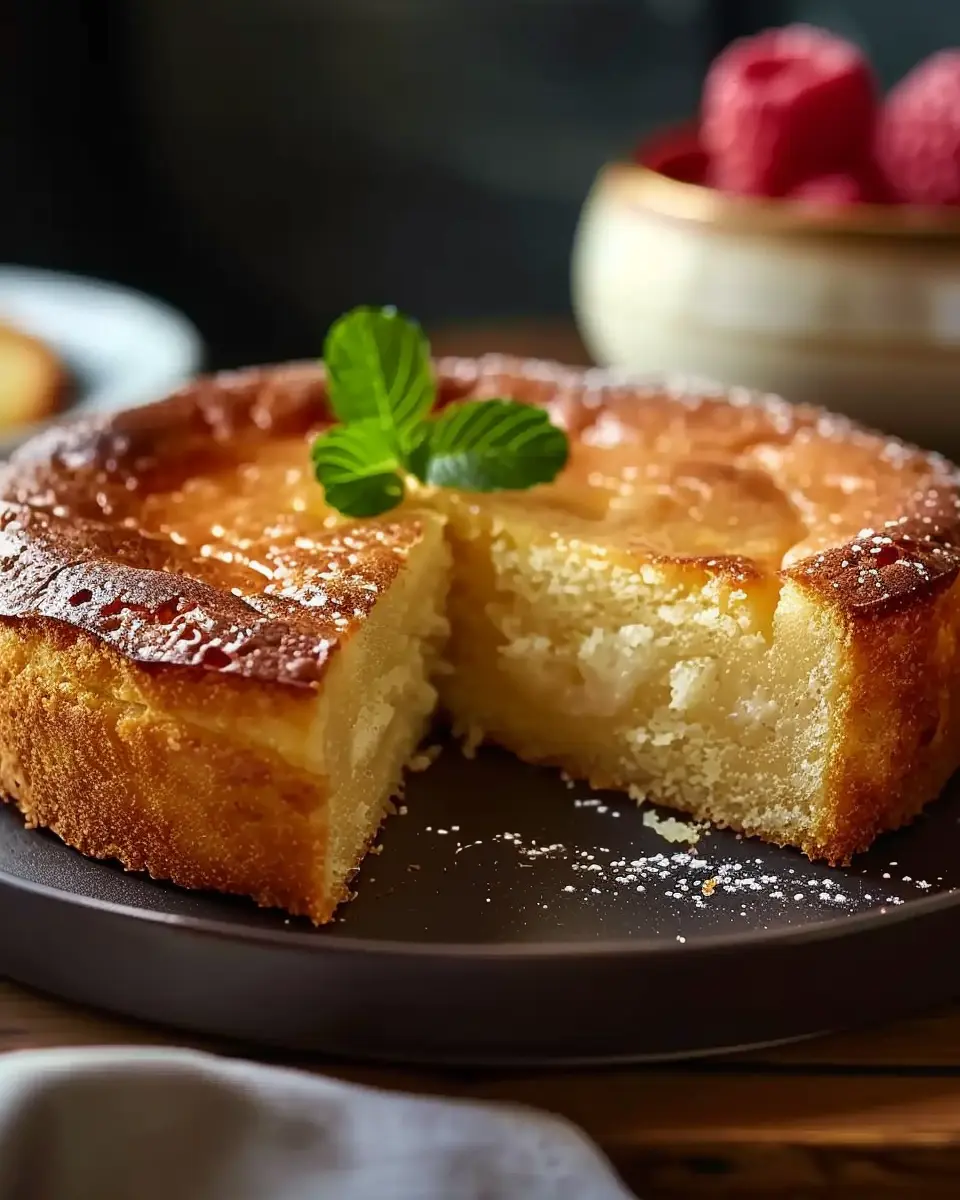
Embrace the beauty of seasonal fruits to refresh your classic French Butter Cake. Think of juicy berries in the summer, fragrant peaches in late summer, or spiced apples in the fall. Adding about 1 to 2 cups of diced fruit can elevate your cake to a new level. Simply fold them into the batter just before pouring it into the pan.
- Summer Berries: Use raspberries, blueberries, or strawberries for a tart-and-sweet contrast.
- Peach Delight: Fold in ripe diced peaches for a fragrant, juicy experience.
- Autumn Apple Crisp: Toss in chopped apples with a sprinkle of cinnamon to add an autumn twist.
These fruity additions not only enhance the flavor but also add a beautiful aesthetic to your masterpiece. Plus, you can learn about combining flavors through techniques on renowned sites like Serious Eats for further inspiration.
Nutty Twists with Different Flours
For a deliciously unexpected twist on your French Butter Cake, consider experimenting with various flours. Almond flour, for instance, brings a nutty richness, while whole wheat flour offers a heartier texture.
- Almond Flour: Substituting a portion of your regular flour with almond flour can add a delightful nutty flavor and a moist crumb.
- Whole Wheat: This provides a wholesome flavor that pairs well with fruit toppings.
- Oat Flour: For a gluten-free version, try oat flour; it adds a subtle sweetness and unique texture.
Feel free to experiment with these alternatives and discover a version that speaks to your taste buds! This adventurous approach can make your French Butter Cake not just a dessert, but a celebration of flavors.
Cooking notes for French Butter Cake
Tips for perfecting the filling texture
When preparing French Butter Cake, achieving a smooth and rich filling is essential. Here are some helpful tips:
- Room temperature ingredients: Ensure your butter, eggs, and other dairy are at room temperature to create a seamless blend.
- Mix gently: Over-mixing can incorporate too much air, which may lead to a dense texture. Stir until just combined.
- Strain if necessary: For a velvety filling, consider straining your mixture through a fine mesh sieve before baking.
Common pitfalls to avoid while baking
Baking can sometimes be unpredictable, especially with French Butter Cake. Here’s how to sidestep common mistakes:
- Oven calibration: Always check your oven’s temperature accuracy. An oven thermometer can be a useful tool.
- Don’t skimp on chilling: If your recipe calls for chilling the batter, don’t rush it. This step enhances flavor and texture.
- Avoid opening the oven door: Frequent peeking can cause the cake to sink. Trust the process and wait until it’s almost done to check.
With these thoughtful notes, your French Butter Cake adventure will be a delightful success! For more baking insights, consider exploring resources from reputable sites like King Arthur Baking or BBC Good Food.
Serving suggestions for French Butter Cake
Pairing options for a delightful dessert experience
When it comes to enjoying your French Butter Cake, the right pairings can elevate this delightful treat to new heights. Consider accompanying it with a rich cream cheese frosting or a simple dusting of powdered sugar for a classic touch. Fresh seasonal fruit like strawberries or raspberries adds a pop of color and a burst of flavor. If you’re in the mood for something warm, a scoop of homemade whipped cream or a dollop of vanilla ice cream can create a delicious contrast.
For a beverage pairing, opt for herbal tea or a rich coffee. The warmth of tea blends beautifully with the buttery notes, while coffee compliments the cake’s sweetness. You can explore various options at Tea Association of the USA or discover your favorite coffee blend from local roasters.
Creative plating ideas for presentation
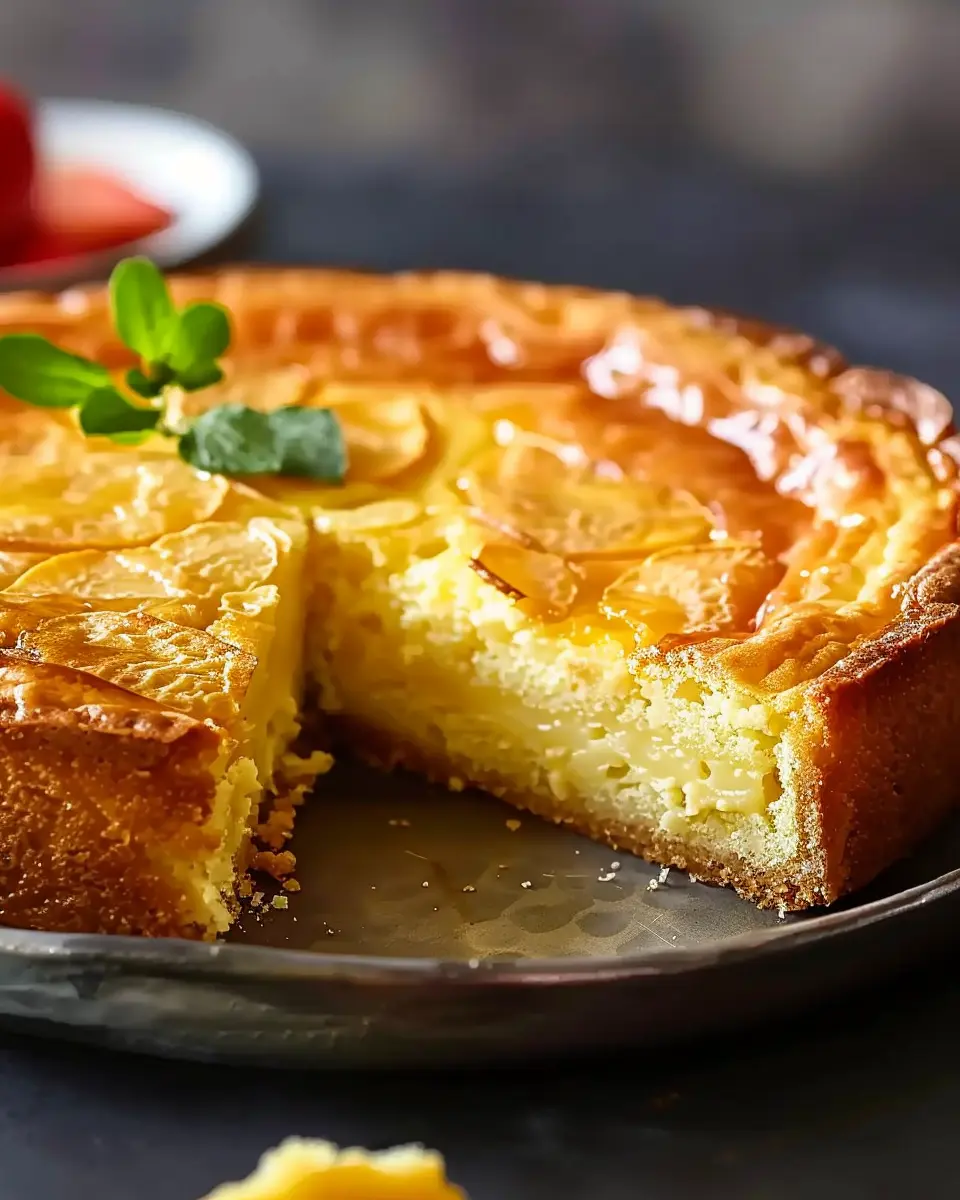
Presentation is key to impress your guests, so don’t overlook the aesthetics of your French Butter Cake. A basic yet effective way to plate is by slicing the cake into generous portions and arranging them on a rustic wooden board. Garnish with mint leaves for a fresh touch.
Alternatively, you can create individual servings in cute dessert jars, layering cake pieces with your favorite fruits and creams. For a whimsical approach, consider using cookie cutters to turn the cake into fun shapes and placing them on colorful plates. A drizzle of chocolate or fruit sauce can add a final, eye-catching flourish that will surely wow your friends.
These little details can make a big difference—after all, we eat with our eyes first!
Time breakdown for French Butter Cake
Preparation time
Making your delectable French Butter Cake is easier than you might think! You’ll need about 20 minutes to gather your ingredients and prepare your batter. Take a moment to preheat the oven and grease your cake pan—this step will make for effortless cake removal later.
Baking time
Once you’ve lovingly poured your batter into the pan, pop it into the oven for 40 to 45 minutes. The sweet aroma that fills your kitchen will have your friends and family buzzing with anticipation!
Total time
All in all, you’ll invest about 1 hour and 5 minutes from start to finish before presenting this incredible French Butter Cake. Trust me, the delightful outcome will be worth every second! For more tips on achieving the perfect cake, check out resources from baking experts like King Arthur Baking or Serious Eats. Happy baking!
Nutritional Facts for French Butter Cake
When indulging in a slice of French Butter Cake, it’s good to know what you’re savoring. Here are some key nutritional insights:
Calories
A single serving of French Butter Cake contains approximately 320 calories. While it’s a delightful treat, moderation is key to enjoying this buttery goodness without derailing your dietary goals.
Protein Content
Each slice offers about 4 grams of protein. This isn’t a high-protein dessert by any means, but it does provide a little boost alongside those comforting flavors.
Key Nutrients
This cake is rich in essential nutrients, providing:
- Calcium: Great for bone health.
- Vitamin A: Supports vision and immune function.
- Iron: Crucial for transporting oxygen in the blood.
For more on understanding the nutritional value of baked goods, you might find this Harvard article helpful!
With these nutritional insights in mind, you can enjoy your French Butter Cake knowing a bit more about what’s in your dessert! Keep it in the treat category, and you’ll be just fine.
FAQs about French Butter Cake
How can I make my cake extra moist?
To achieve that delightful moisture in your French Butter Cake, consider these tips:
- Butter Temperature: Always use room temperature butter. This ensures it creams well with sugar, creating tiny air pockets for a fluffy texture.
- Additional Liquid: A splash of milk or cream can enhance moisture. Just a couple of tablespoons can do wonders.
- Don’t Overbake: Keep an eye on your cake as it bakes. Even a few minutes too long can dry it out. A toothpick should come out clean but not completely dry.
For further tips on baking techniques, the American Baking Guild offers great insights into cake science here.
Can I substitute any ingredients in the French Butter Cake?
Absolutely! Here are a few substitutions to consider:
- Flour: If you want a gluten-free version, try using almond flour. Just remember that it might change the texture and flavor slightly.
- Sugar: You can use light brown sugar instead of white for a hint of caramel flavor.
- Butter: In a pinch, you can substitute unsalted butter with margarine, but the flavor won’t be quite as rich.
Experimenting with ingredients can yield delightful variations, so don’t hesitate to get creative!
What’s the best way to store leftover cake?
To keep your French Butter Cake fresh and delicious, follow these storage tips:
- Room Temperature: If you plan to eat the cake within a couple of days, cover it with plastic wrap and keep it at room temperature.
- Refrigeration: For longer storage, wrap it tightly in plastic, then in aluminum foil before placing it in the fridge. This prevents it from drying out.
- Freezing: If you’ve got leftovers after more than a week, you can freeze slices. Just make sure they’re well-wrapped to avoid freezer burn.
With these tips in mind, you can enjoy your French Butter Cake days after baking it! For more tips on cake preservation, check out resources like the National Baking Association here. Happy baking!
Conclusion on French Butter Cake
Recap of its Deliciousness and Homemade Charm
In conclusion, the French Butter Cake is a delightful treat that combines buttery richness with a tender crumb. Its homemade charm brings warmth to any gathering, making it an excellent choice for special occasions or simply as a weekend indulgence.
Baking this cake fills your kitchen with a comforting aroma, reminiscent of cozy cafés in Paris. Each bite offers a perfect balance of sweetness that pairs wonderfully with a cup of tea or coffee. If you haven’t tried your hand at this recipe yet, it’s time to savor the experience and enjoy the fruits of your labor. After all, there’s something special about sharing a slice of homemade goodness. For more cake inspiration, check out BBC Good Food or Serious Eats for ideas!
PrintFrench Butter Cake: The Indulgent Treat You’ll Love Baking

Indulge in the rich, buttery flavor of French Butter Cake, a delightful treat perfect for any occasion.
- Prep Time: 15 minutes
- Cook Time: 35 minutes
- Total Time: 50 minutes
- Yield: 1 cake 1x
- Category: Desserts
- Method: Baking
- Cuisine: French
- Diet: Vegetarian
Ingredients
- 2 cups all-purpose flour
- 1 cup unsalted butter, softened
- 1 1/2 cups granulated sugar
- 4 large eggs
- 1 tablespoon vanilla extract
- 1/2 teaspoon salt
- 1 teaspoon baking powder
Instructions
- Preheat your oven to 350°F (175°C) and grease a 9-inch round cake pan.
- In a mixing bowl, cream together the butter and sugar until light and fluffy.
- Add the eggs one at a time, mixing well after each addition.
- Stir in the vanilla extract.
- In another bowl, combine the flour, salt, and baking powder. Gradually mix into the wet ingredients.
- Pour the batter into the prepared cake pan.
- Bake for 30-35 minutes or until a toothpick inserted comes out clean.
- Let cool before serving.
Notes
- For extra flavor, consider adding lemon zest or almond extract to the batter.
- Serve with fresh berries or a dusting of powdered sugar.
Nutrition
- Serving Size: 1 slice
- Calories: 350
- Sugar: 15g
- Sodium: 120mg
- Fat: 20g
- Saturated Fat: 12g
- Unsaturated Fat: 5g
- Trans Fat: 0g
- Carbohydrates: 40g
- Fiber: 1g
- Protein: 4g
- Cholesterol: 100mg
Keywords: French Butter Cake, baking, indulgent dessert, easy cake recipe