Introduction to Homemade Pasta
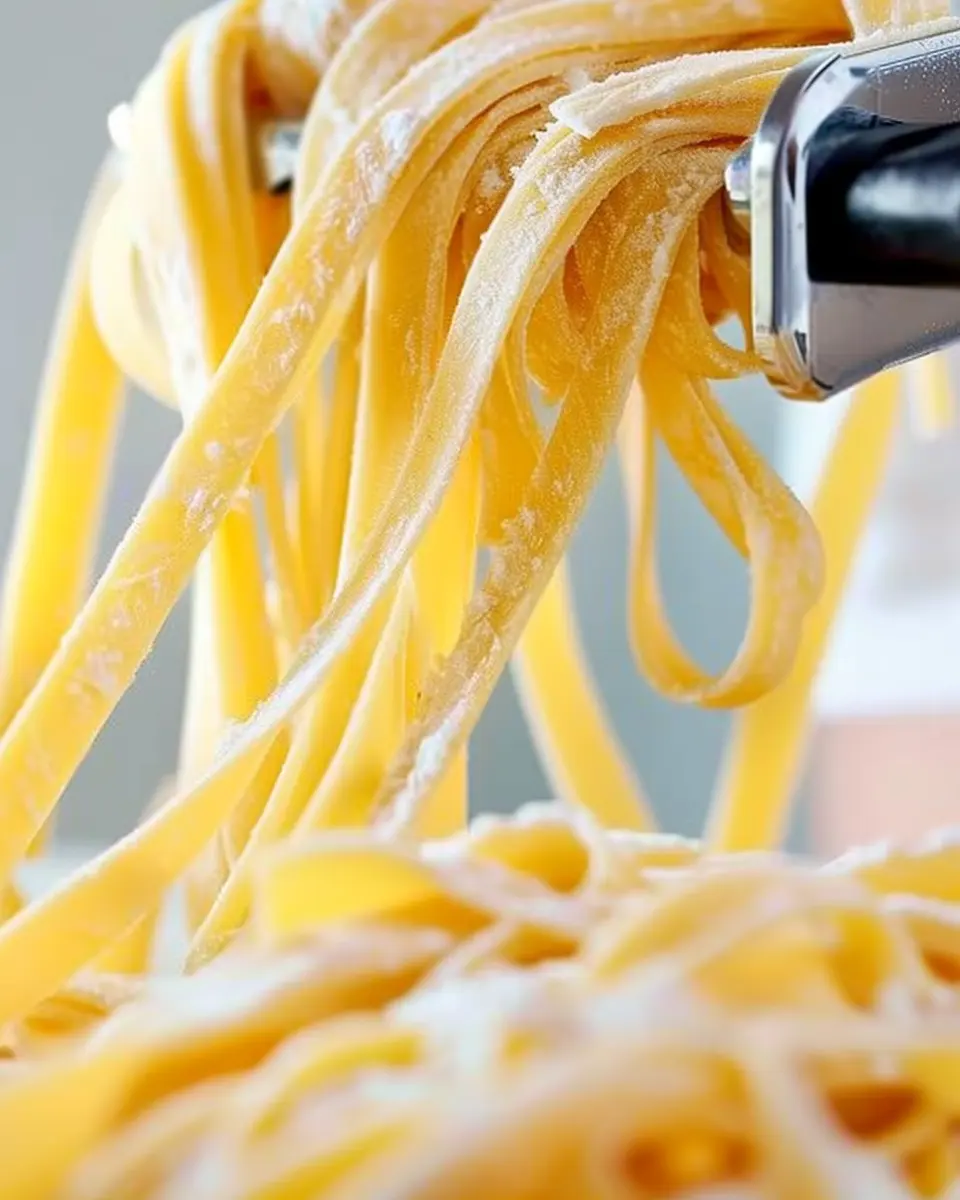
Making homemade pasta in your kitchen can be an incredibly fulfilling experience. Imagine the aroma of fresh ingredients combining to create something delicious, all while you engage your senses in a hands-on cooking adventure. It’s more than just preparing a meal; it’s a delightful journey that brings a sense of accomplishment.
The Joy of Making Pasta from Scratch
Have you ever twirled your fork into a plate of perfectly crafted pasta, only to wonder about its origin? Making pasta from scratch allows you to connect with the food you eat in a way that store-bought options simply can’t replicate. You’re not just following a recipe; you’re crafting a culinary masterpiece. This process can be especially enjoyable with friends or family, turning the task into a delightful social gathering.
Homemade pasta also allows you to tailor flavors and shapes to suit your preference. Want to experiment with spinach for a green hue, or perhaps go for a spicy kick with some black pepper? The world is your oyster! You can customize your dough with various ingredients, adding an element of personal flair. For a bit of inspiration, check out this guide on pasta varieties.
What about the satisfaction of unveiling your creation? When you watch the pasta cook and transform into the perfect al dente texture, it’s hard not to feel a swell of pride. According to experts at the Culinary Institute of America, making your own pasta can also encourage healthier eating habits. You control what goes in, avoiding preservatives and artificial ingredients often found in packaged options.
Plus, think about the savings! While the initial investment in ingredients may seem a bit high, the long-term benefits of making pasta at home are significant. You can produce various types without the higher price tag that comes with gourmet pasta.
So, why not roll up your sleeves and dive into this rewarding culinary art? Your taste buds will thank you, and you’ll find a new reason to love mealtime!
Ingredients for Homemade Pasta
Essential ingredients for perfect pasta dough
Making homemade pasta is not just a rewarding experience; it’s a delightful way to bring the taste of Italy to your kitchen! To get started, you’ll need just a few essential ingredients that come together to form the perfect pasta dough.
- All-Purpose Flour: This is your foundation! Aim for about 2 cups for a standard batch. If you want a richer flavor, you can mix in some semolina flour.
- Eggs: You’ll need around 2 large eggs for a standard dough. They provide moisture and richness, making your pasta tender and perfect for rolling.
- Salt: A pinch (about ½ teaspoon) enhances the flavor, so don’t skip this step!
- Olive Oil: While optional, adding a tablespoon can enrich the dough and make it easier to work with.
Each ingredient plays a key role in achieving that al dente texture we all love. For tips on the best types of flour for pasta, check out this article from Serious Eats.
Once you’ve gathered your ingredients, you’re well on your way to mastering the art of homemade pasta!
Preparing Homemade Pasta
Making homemade pasta is a wonderfully satisfying task that can elevate your cooking game while giving you a sense of accomplishment. Below, I’ll walk you through each step of the process, making it as simple as possible.
Create Your Pasta Dough
Let’s start with the foundation of any great pasta: the dough. To make it, all you need are three ingredients: flour, eggs, and a pinch of salt. Here’s how to blend them together:
- Flour: Ideally, use 00 flour, which has the perfect balance of proteins for making pasta. You can find this specialty flour in gourmet stores or purchase it online.
- Eggs: Use large eggs; their moisture content is crucial for achieving the right texture.
- Salt: A pinch enhances the flavor.
To combine these, you can either make a well in the flour on a clean surface or use a mixing bowl. Whisk the eggs together with the salt and gradually incorporate the flour into the egg mixture until a rough dough forms. If you’re interested in the chemistry behind dough making, check out this resource from The Institute of Culinary Education.
Knead Your Dough to Perfection
Once your dough comes together, it’s time to knead. Kneading develops the gluten and gives your homemade pasta that delightful chew. Here’s how you do it:
- Turn the dough onto a floured surface.
- With your palms, push down and forward on the dough, then fold it over.
- Rotate it and repeat for about 8-10 minutes until the dough is smooth and elastic.
You’ll know you’re done when it’s no longer sticky and springs back when poked. This hands-on aspect is therapeutic—trust me, it’s worth every minute.
Roll Out Your Pasta Sheets
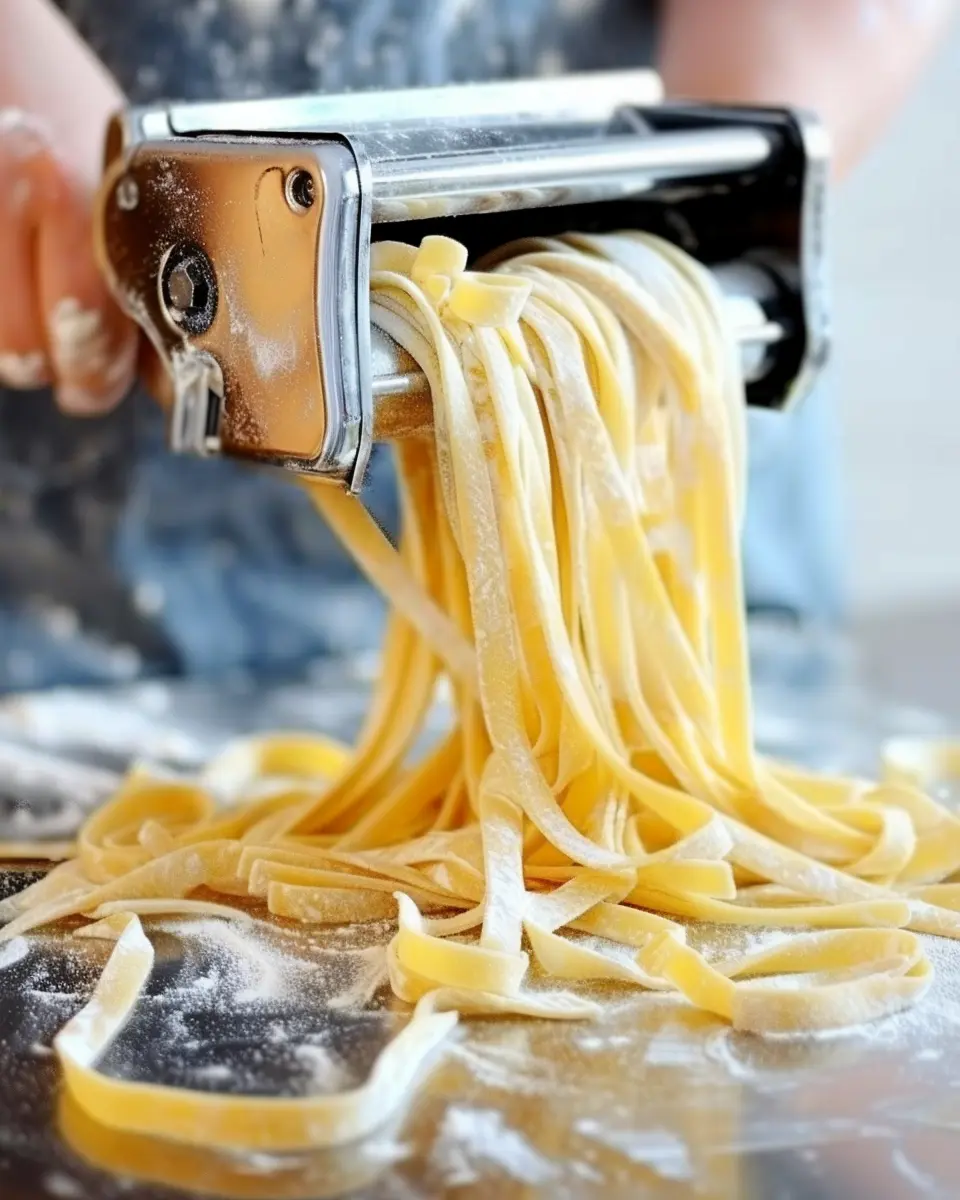
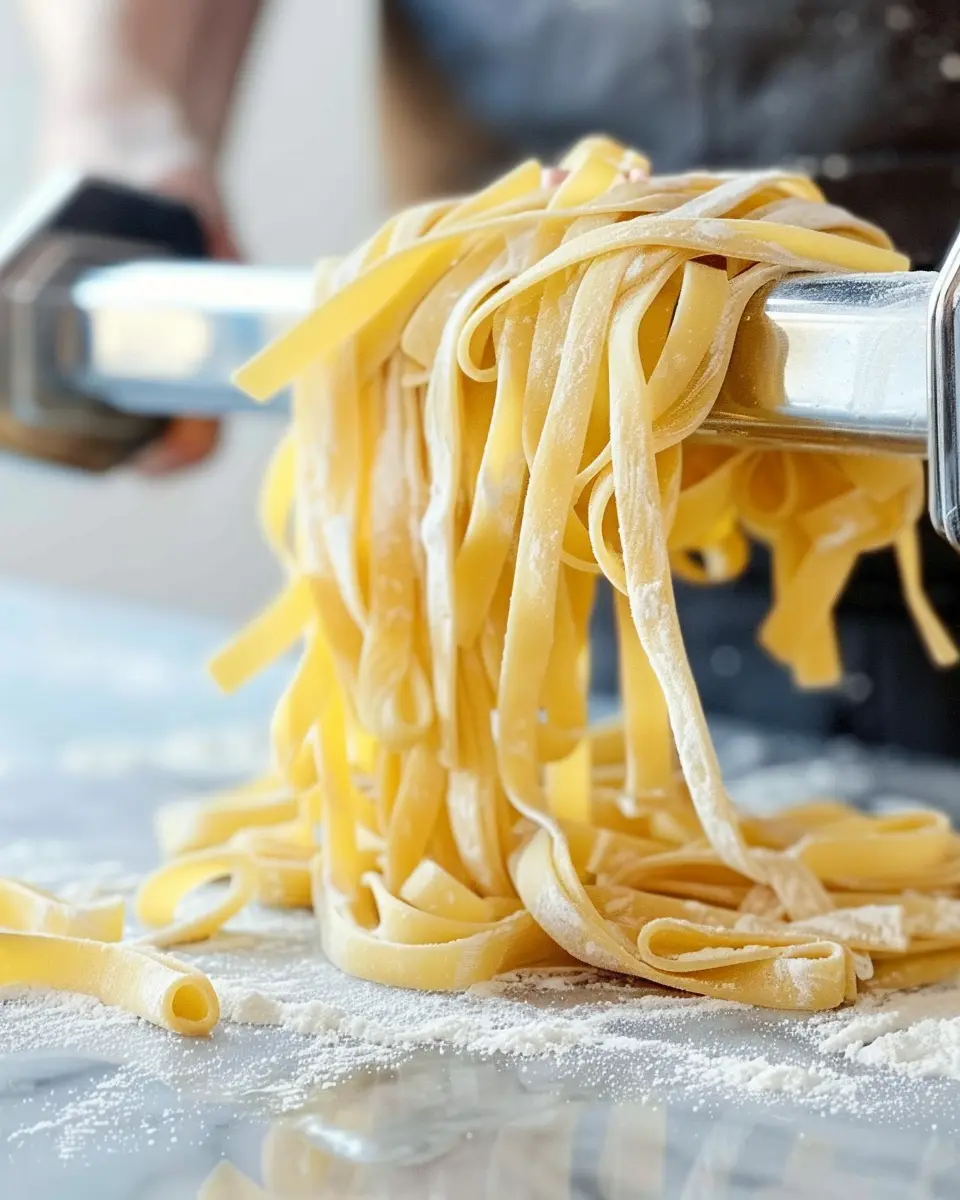
Next step: rolling out your pasta. You can use a pasta machine or a rolling pin, but if you’re using a machine, follow these steps:
- Divide your dough into quarters to make it more manageable.
- Flatten one piece slightly with your hands, then feed it through the widest setting of the pasta maker.
- Gradually reduce the thickness setting, passing the dough through each time, until you reach your desired thickness (usually about 1-2 mm).
Remember to dust the dough with flour as you work to prevent sticking. If you’re curious about the history of pasta-making, check out this fascinating article from Food52.
Cut the Pasta to Your Desired Shape
Now that you have beautifully rolled sheets, it’s time to cut your pasta. Here are some of the most popular shapes you might consider:
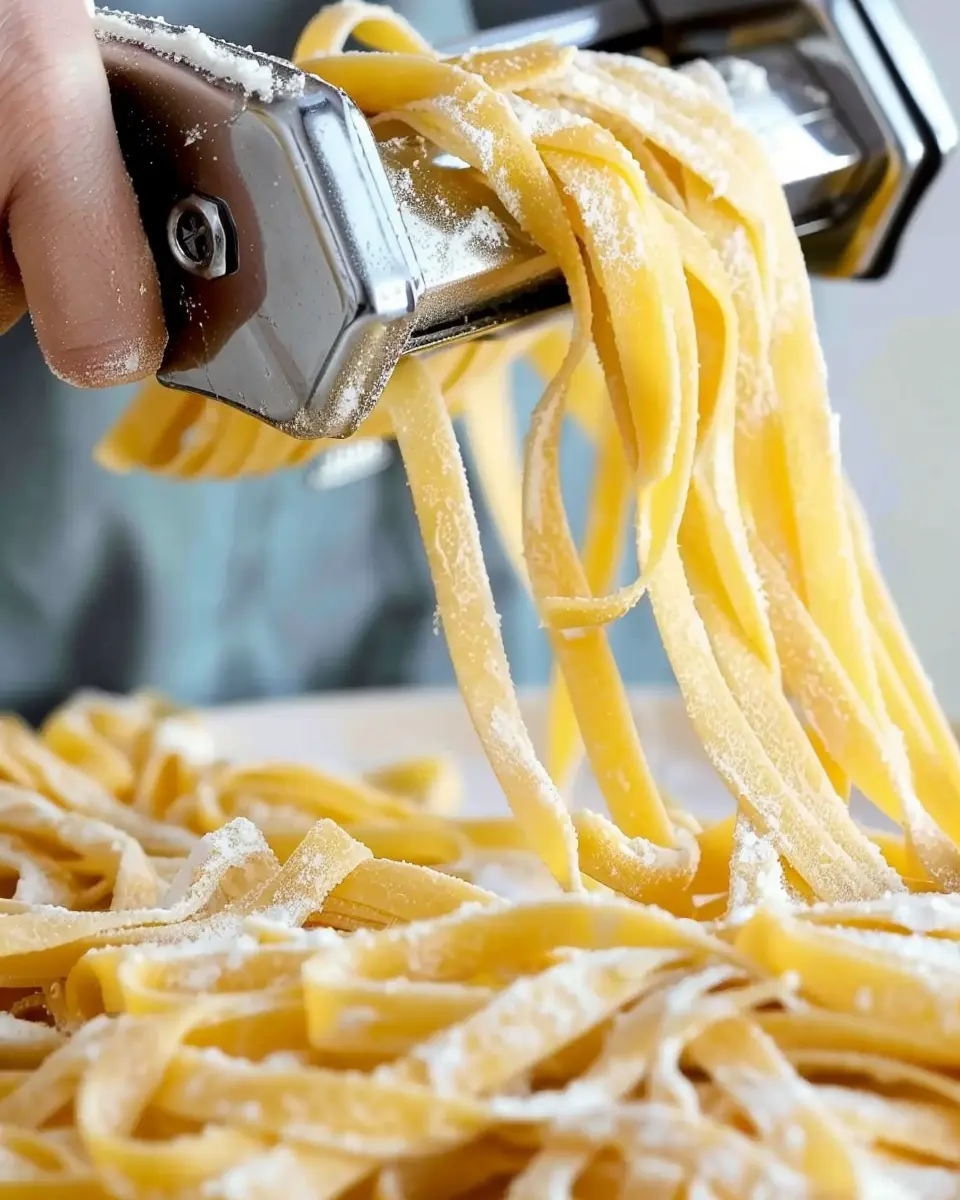
- Tagliatelle: Cut the sheets into strips, about ½ inch wide.
- Fettuccine: Similar to tagliatelle but slightly wider.
- Pappardelle: For those who like a broader noodle, go for strips around 1 inch wide.
If you’re feeling adventurous, you can even make shapes like ravioli by filling them with your favorite stuffing. The beauty of homemade pasta is that the only limit is your creativity.
Cook Your Freshly Made Pasta
Finally, it’s time to cook your homemade pasta. To get it just right:
- Bring a large pot of salted water to a boil.
- Gently drop in your pasta—fresh pasta cooks quickly, usually in 2 to 4 minutes.
- Taste a piece a minute or so before it’s supposed to be done. It should have a slight bite, known as “al dente.”
Once cooked, drain the pasta, but remember to save some pasta water; it’s liquid gold for making your sauce adhere beautifully. Toss your pasta with a simple olive oil and garlic sauce, or delve into something richer—maybe a cream-based sauce with turkey bacon or chicken ham.
Making homemade pasta is an experience filled with joy, creativity, and, most importantly, deliciousness. So roll up your sleeves; you’ve got this!
Variations on Homemade Pasta
Creating homemade pasta opens up a world of flavor and fun, especially when you start experimenting with different ingredients. Let’s explore some delightful variations that can elevate your pasta game!
Spinach-Infused Pasta
Adding spinach to your dough is not just a clever way to incorporate vegetables; it also imparts a beautiful green hue. To make spinach-infused pasta:
- Ingredients: Use about 1 cup of fresh spinach purée for every 2 cups of flour.
- Method: Steam the spinach, blend until smooth, and mix with your usual pasta dough ingredients. You’ll get an earthy, vibrant flavor that pairs wonderfully with lighter sauces, like a simple olive oil and garlic mix.
For guidance on cooking spinach perfectly, check out reputable resources like The Spruce Eats.
Whole Wheat Pasta
Whole wheat pasta is a fantastic healthier alternative, packing in fiber and nutrients. Its nuttier flavor makes it a favorite for heartier dishes. Here’s how to modify your recipe:
- Ingredients: Substitute about 50% of your all-purpose flour with whole wheat flour.
- Method: Be mindful that whole wheat absorbs more moisture, so you may need to adjust the egg or water content. A hearty marinara sauce or veggie medley complements this wholesome pasta beautifully.
Are you looking for more on the benefits of whole grain? Visit Harvard’s Nutrition Source.
Flavored Pasta with Herbs
Why stick to the basics when you can infuse your homemade pasta with aromatic herbs? Incorporating flavors like basil or rosemary can add a fresh twist.
- Ingredients: Add 1-2 tablespoons of finely chopped fresh herbs to your dough.
- Method: Mix the herbs directly into the flour before adding liquids. Pair your herbed pasta with a light cream sauce or a fresh tomato salad for a delightful meal.
Remember, experimenting with ingredients is part of the fun! So, go ahead and get creative with your homemade pasta journey!
Cooking Tips and Notes for Homemade Pasta
Making homemade pasta can be a delightful experience, but sometimes things don’t go as planned. Here’s how to tackle common issues and ensure perfect pasta every time.
Troubleshooting Common Pasta-Making Issues
- Dough Too Dry or Crumbly? It’s likely you need more moisture. Try adding a little water, one tablespoon at a time, until the dough holds together.
- Dough Too Sticky? Dust your work surface with additional flour and knead until it’s manageable again.
- Uneven Thickness? If your pasta dough isn’t rolling out evenly, make sure you’re using consistent pressure on the pasta machine or rolling pin.
Recommended Tools for the Best Results
To achieve the perfect homemade pasta, a few key tools can make all the difference:
- Pasta Maker: A good pasta machine ensures even thickness and texture.
- Bench Scraper: Handy for cutting and transferring pasta shapes.
- Rolling Pin: A traditional method that can work wonders if you enjoy a hands-on approach.
For more tips on getting the best out of your pasta-making experience, check out Serious Eats. Whether you’re a novice or a seasoned chef, diving into the world of homemade pasta is always rewarding!
Serving suggestions for Homemade Pasta
Pairing pasta with delightful sauces
When it comes to homemade pasta, the sauce is your best friend! Classic pairings like marinara or a rich Alfredo sauce can elevate your dish instantly. For a twist, consider tossing your pasta with a vibrant pesto or a creamy garlic sauce. Not to mention, adding seasonal vegetables can enhance both flavor and nutrition. If you’re in the mood for something heartier, a slow-cooked beef ragu brings warmth and satisfaction.
Or, how about trying something fresh like a lemon-herb sauce? The bright flavors can really balance the richness of your pasta. For more inspiration, check out this guide on pasta sauces.
Creative garnishes and toppings
Topping off your homemade pasta doesn’t have to be boring. Think outside the box! Fresh herbs like basil or parsley can provide a burst of flavor. Grated parmesan or pecorino cheese adds a delightful creaminess. If you want to spice things up, sprinkle some crushed red pepper flakes for a kick.
Textures matter too! Add a sprinkle of toasted walnuts or pine nuts for a satisfying crunch. The key is to mix and match toppings based on your sauce and the vibe of your meal. It’s all about making each serving uniquely yours!
As you experiment with these serving suggestions, remember that the beauty of homemade pasta lies in your creativity. Enjoy the process!
Time details for Homemade Pasta
Preparation time
Getting your ingredients prepped for homemade pasta is a breeze! You’ll typically spend about 30 minutes gathering your flour, eggs, and any desired seasonings.
Cooking time
Once your dough is ready, cooking your fresh pasta takes only 3 to 5 minutes. Unlike dried pasta, homemade pasta cooks super quickly, so keep an eye on it!
Total time
In total, you’re looking at around 35–40 minutes from start to finish. Just think, in less than an hour, you’ll have a delicious meal that will impress your friends and elevate your culinary skills! If you’re curious about perfecting your skills with homemade pasta, you might want to check out this great guide on pasta-making for additional tips.
By making your own pasta, you not only save time but also gain control over flavors and textures—what’s not to love? If you’re eager for more inspiration, check out this comprehensive pasta history that highlights its journey through time and culture. Enjoy crafting your delightful dish!
Nutritional Information for Homemade Pasta
Calories Per Serving
When you whip up a delightful batch of homemade pasta, you might be curious about its calorie content. On average, a serving of homemade pasta (about one cup cooked) contains approximately 200 calories. This can vary slightly based on the specific ingredients you use, but it’s a great base to plan your meals around.
Carbohydrates
The backbone of this dish, carbohydrates are essential for providing energy. A serving of homemade pasta typically has about 40 grams of carbohydrates. This makes it a fantastic option for fueling your active lifestyle, especially if you’re planning on a workout afterward or need sustained energy for your busy day ahead.
Protein
For those watching their protein intake, homemade pasta offers around 7 grams of protein per serving. While it’s not a complete protein source, pairing it with ingredients like chicken ham or turkey bacon can enhance its nutritional profile without sacrificing flavor. For more protein options, consider adding roasted vegetables or legumes.
For a deeper dive into pasta nutrition, check out resources like Healthline and The Harvard T.H. Chan School of Public Health. These sources offer fantastic insights into balancing your meals effectively.
FAQs about Homemade Pasta
How can I store leftover pasta?
If you’ve made more homemade pasta than you can eat in one sitting, don’t worry! Storing leftover pasta is quite straightforward.
- Refrigerate: Place the cooked pasta in an airtight container and store it in the fridge for up to 3-5 days. Make sure to toss it with a bit of olive oil to prevent sticking.
- Separate Components: If you can, store the pasta and sauce separately to maintain the best texture.
Can I freeze homemade pasta?
Absolutely! Freezing is a great way to extend the life of your homemade pasta. Here’s how you can do it:
- Fresh Pasta: If it’s uncooked, simply arrange the pasta in a single layer on a baking sheet and freeze until firm. Then, transfer it to a freezer-safe bag for up to 2 months. No need to thaw it—you can cook it straight from frozen!
- Cooked Pasta: For cooked pasta, cool it entirely before placing it in freezer bags or containers. Don’t forget to label them with the date!
For tips on freezing pasta sauce, check out Eat This, Not That.
What sauce pairs best with homemade pasta?
The versatility of homemade pasta means it can shine with various sauces! Here are a few favorites:
- Tomato Sauce: A classic marinara or a fresh tomato basil sauce complements nearly any pasta shape.
- Creamy Sauces: Try a rich alfredo or a garlic cream sauce for a decadent twist.
- Pesto: Fresh basil pesto brings a delightful freshness that pairs beautifully with fettuccine or spaghetti.
Experimenting with different combinations can turn your homemade pasta night into an exciting culinary adventure! What’s your favorite sauce pairing?
Conclusion on Homemade Pasta
Celebrating the art of homemade pasta
Crafting your own homemade pasta is truly an experience that transcends a simple meal. It’s about connecting with tradition, embracing creativity, and savoring the satisfaction of creating something from scratch. Whether you’re making it for a special occasion or simply for a weekday dinner, the process invites you into a world where flavors meld, and memories are created.
As you roll out your dough, think of the joy it brings to your table and the conversations that will follow. Homemade pasta not only enhances your culinary skills but also deepens your appreciation for the food you eat. Ready to dive in? Visit this great guide on pasta making to explore more tips and tricks. The thrill of homemade pasta awaits!
PrintHomemade Pasta: Easy Tips for Irresistibly Fresh Flavor
Learn how to make delicious homemade pasta with easy tips that guarantee fresh flavor.
- Prep Time: 15 minutes
- Cook Time: 5 minutes
- Total Time: 50 minutes
- Yield: Serves 4
- Category: Pasta
- Method: Boiling
- Cuisine: Italian
- Diet: Vegetarian
Ingredients
- 2 cups all-purpose flour
- 3 large eggs
- 1/2 teaspoon salt
- 1 tablespoon olive oil
Instructions
- Make a mound of flour on a clean surface and create a well in the center.
- Crack the eggs into the well and add the salt and olive oil.
- Using a fork, gradually mix the flour into the eggs until a dough begins to form.
- Knead the dough for about 10 minutes until smooth.
- Wrap in plastic wrap and let rest for 30 minutes.
- Roll out the dough to your desired thickness and cut into your preferred shape.
Notes
- For flavored pasta, consider adding spinach or beet puree to the dough.
- Let the pasta dry for a bit before cooking for best results.
Nutrition
- Serving Size: 100g
- Calories: 210
- Sugar: 0g
- Sodium: 100mg
- Fat: 4g
- Saturated Fat: 1g
- Unsaturated Fat: 3g
- Trans Fat: 0g
- Carbohydrates: 43g
- Fiber: 2g
- Protein: 8g
- Cholesterol: 140mg
Keywords: Homemade Pasta, Fresh Pasta, Cooking Tips