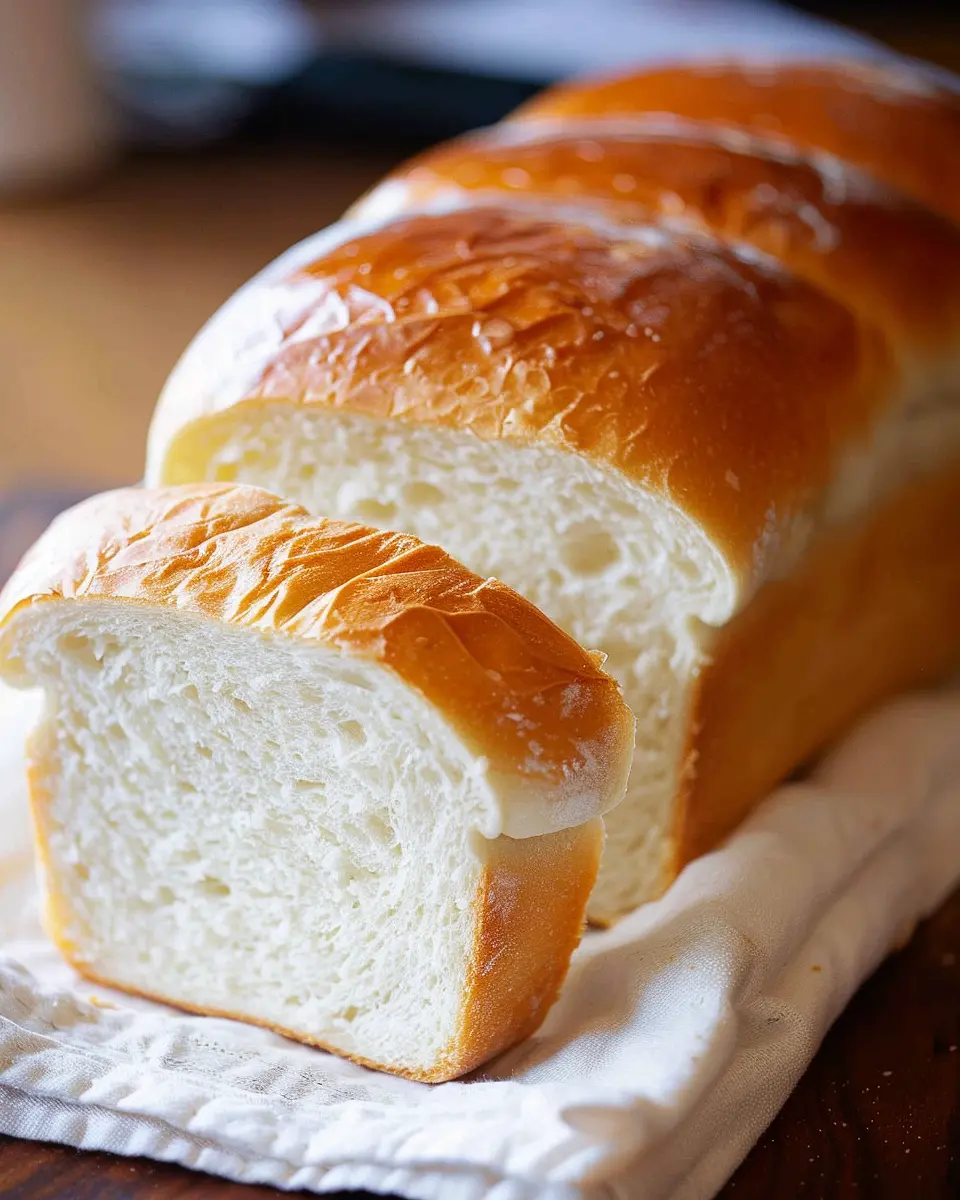
Introduction to Soft Amish White Bread
Homemade bread has a certain charm, doesn’t it? It fills your kitchen with warmth and the inviting aroma of freshly baked goodness. Today, we’re diving into the world of soft Amish white bread, a recipe that brings together simplicity, comfort, and flavor in every slice. But why choose homemade over store-bought options?
The Benefits of Homemade Bread
-
Quality Ingredients: When you bake at home, you have control over every ingredient. You can opt for high-quality flours and natural sweeteners, avoiding unnecessary preservatives and additives commonly found in commercial bread. According to the Whole Grains Council, whole grains can boost your health, making homemade bread a nutritious option.
-
Customization: Love a hint of honey? Prefer whole wheat flour for added fiber? Homemade soft Amish white bread allows you to tweak the recipe to suit your personal taste. It’s a canvas for your culinary creativity.
-
Cost-Effective: Let’s face it – baking bread can sometimes be cheaper than buying artisan loaves from your local bakery. Plus, you get to make multiple loaves at once, saving money in the long run.
-
Freshness and Flavor: Few things can compare to the taste of bread fresh out of the oven. The soft, fluffy texture of homemade soft Amish white bread simply cannot be replicated by store-bought variants. As someone who’s baked this loaf multiple times, I can attest that the first bite is pure bliss.
-
Therapeutic Experience: Baking can be a form of therapy. The act of kneading dough is not only enjoyable but also a great way to unwind. Plus, there’s nothing quite like the thrill of seeing your bread rise.
So why not take a moment to embrace the art of baking? Your taste buds (and your wallet) will thank you. Keep reading to discover how you can whip up your own soft Amish white bread at home!
For more inspiration and tips on homemade baking, check out resources from King Arthur Baking to take your skills to the next level.
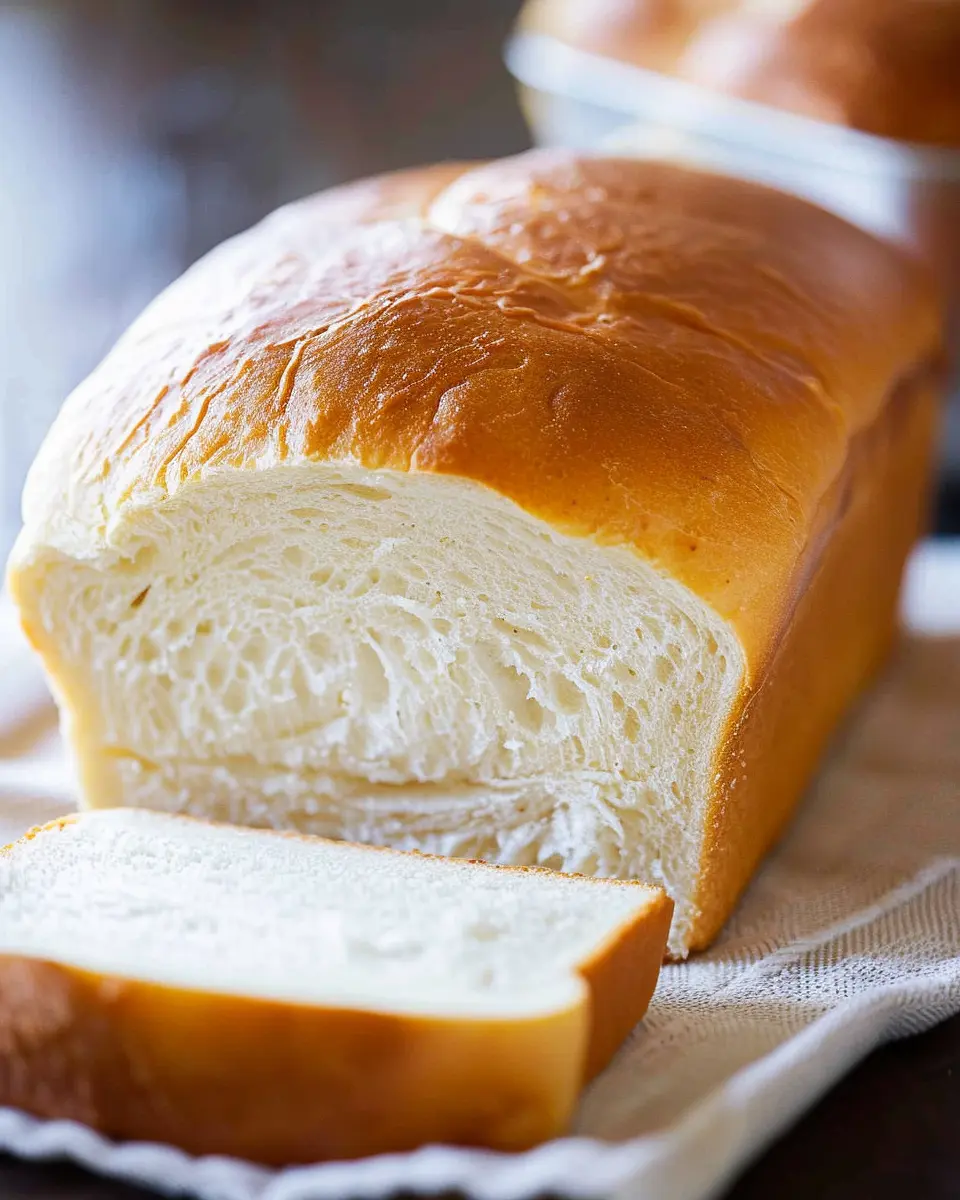
Ingredients for Soft Amish White Bread
Essential ingredients for perfect bread
Making soft Amish white bread starts with a few simple, essential ingredients that come together to create that perfect loaf. Here’s what you’ll need:
- All-purpose flour: About 5 to 6 cups, depending on the humidity in your kitchen.
- Yeast: Active dry yeast works great; ensure it’s fresh for a good rise.
- Warm water: This helps dissolve the yeast—just warm enough to be comfortable to the touch.
- Sugar: A couple of tablespoons to feed the yeast and balance the flavor.
- Salt: Enhances the overall taste; don’t skip it!
- Butter: Softened or melted for a rich flavor and tender crumb.
These staples keep your bread simple and delicious, setting the stage for that mouthwatering aroma guaranteed to fill your home.
Optional ingredients for customizing flavor
While the essentials are key, consider adding optional ingredients to make your soft Amish white bread uniquely yours:
- Milk: Replace some water with milk for added richness.
- Honey or molasses: Swap a bit of sugar for these natural sweeteners for depth.
- Herbs and spices: A pinch of rosemary or garlic powder can elevate the flavor.
By experimenting with these ingredients, you can create a loaf that meets your personal taste. Want some more inspiration? Check out King Arthur Baking for ideas on enhancing your bread-making journey.
Preparing Soft Amish White Bread
Baking your own bread at home can be incredibly fulfilling, especially when it comes to soft Amish white bread. Unlike store-bought options, this recipe produces a loaf that is light, fluffy, and perfect for everything from sandwiches to toast. Let’s dive right into the fun—and a little bit messy—process of making this delightful homemade bread!
Gather Your Ingredients
Before you get started, you’ll want to gather all your ingredients. Here’s what you’ll need:
- 4 cups of all-purpose flour
- 2 teaspoons of sugar
- 2 teaspoons of active dry yeast
- 1 teaspoon of salt
- 1.5 cups of warm water (about 110°F)
- 2 tablespoons of unsalted butter, melted
Having everything ready allows you to focus on the fun part—mixing and kneading! Check out King Arthur Baking for quality ingredients if you’re unsure where to shop.
Mix the Ingredients
Once you’ve got your ingredients ready, it’s time to mix. In a large bowl, combine the warm water, sugar, and yeast. Give it a gentle stir and let it sit for about 5-10 minutes until it becomes frothy; this means your yeast is active and ready to work its magic.
Once the yeast is bubbly, add the melted butter, salt, and gradually introduce the flour, one cup at a time. Mix it using a wooden spoon until it comes together. This step can be a little workout for your arms—don’t worry, that just means you’re doing it right!
Knead the Dough
Now comes the messy yet satisfying part: kneading. Transfer the dough onto a lightly floured surface. With clean hands, press and fold the dough for about 8-10 minutes. This process develops gluten, which gives our soft Amish white bread its wonderful texture. Ideally, the dough should be smooth and elastic by the end. If it feels too sticky, just sprinkle a little extra flour as needed.
Kneading can be therapeutic, don’t you think? If you feel inspired, consider listening to your favorite playlist or perhaps a podcast while you knead.
First Rise
Once your dough is kneaded to perfection, shape it into a ball and place it in a greased bowl. Cover it with a clean kitchen towel and let it rise in a warm, draft-free spot for about 1-2 hours, or until it doubles in size. This first rise is crucial for developing flavor, so you may want to utilize a warm oven (just turn it on for a minute, then off) for optimal conditions.
Shape the Loaf
After the dough has risen, punch it down gently to release the air. Turn it out onto a floured surface and flatten it into a rectangle. Rolling it tightly, form it into a loaf shape, tucking in the edges as you go. This technique helps create a nice structure in your soft Amish white bread.
Second Rise
Place your shaped loaf seam-side down in a greased loaf pan. Cover it again with your towel and let it rise for another 30-60 minutes until it puffs up above the edges of the pan. This second rise is what takes your bread from good to absolutely great!
Bake the Bread
Preheat your oven to 350°F (175°C) about 20 minutes before the end of your second rise. Once it’s ready, pop that loaf in! Bake for 30–35 minutes or until the top is golden brown and sounds hollow when tapped on the bottom. If you’ve made it this far, you’re in for a treat!
Cool the bread on a wire rack, and try not to eat the whole loaf in one sitting (though I won’t judge if you do). Enjoy your soft Amish white bread with turkey bacon or chicken ham, and savor the homemade goodness.
Isn’t it rewarding to know exactly what goes into your food? Happy baking!
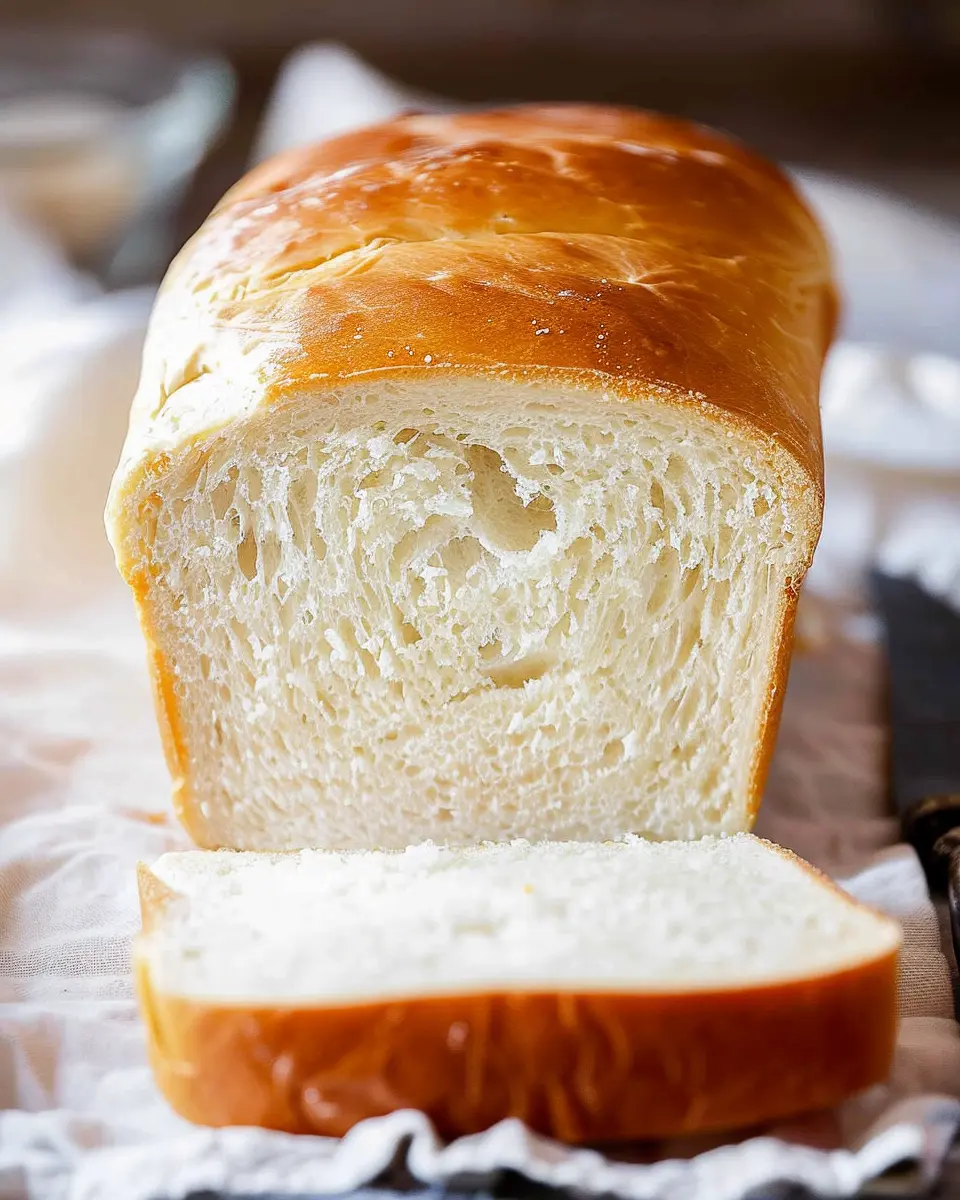
Variations on Soft Amish White Bread
When it comes to soft Amish white bread, the base recipe is a delightful canvas for creativity. Here are a few variations to elevate your bread-making journey!
Adding Herbs and Spices
Why not spice things up a bit? Incorporating herbs can transform the flavor profile of your bread. Try mixing in:
- Rosemary or Thyme for an aromatic touch.
- A sprinkle of garlic powder for a savory kick.
- Dill or basil for a burst of freshness.
These additions work wonderfully if you’re planning to serve your bread alongside a hearty soup or salad.
Incorporating Different Flours
For those wanting to experiment with textures and flavors, consider blending in alternative flours. You can try:
- Whole wheat flour for added fiber and a nuttier taste.
- Oat flour for a gluten-free option—just be sure to adjust the liquid amounts accordingly.
- Rye flour for a slightly denser loaf with a rich flavor.
These variations not only change the nutrition profile but also keep your Amish white bread exciting and new!
Making Sweeter Versions with Honey or Cinnamon
If your sweet tooth is calling, enhancing your loaf with sweet ingredients can turn your soft Amish white bread into a delightful treat. Add:
- Honey or maple syrup instead of sugar for a touch of natural sweetness.
- A tablespoon of cinnamon for a warming spice or even chocolate chips for a more indulgent twist.
These sweeter variations are perfect for breakfast or as a special dessert. Imagine slicing into a warm loaf of cinnamon bread—delicious!
These simple tweaks not only personalize your bread but also make baking an adventurous experience. What’s your favorite way to reinvent a classic recipe? Feel free to share in the comments!
Baking Notes for Soft Amish White Bread
When you’re ready to dive into making Soft Amish White Bread, a few helpful tips can elevate your baking experience.
Tips for a Perfect Crust
The crust is a crucial part of your bread’s charm. For that delicate, golden-brown exterior, consider these strategies:
- Steam in the Oven: Place a shallow pan of hot water on the oven’s bottom rack while baking. This creates steam, helping the bread rise and develop that coveted crust.
- Brush with Butter: As soon as the bread is out of the oven, brushing the crust with melted butter gives it a lovely shine and adds flavor.
Adjusting Moisture Levels
Maintaining the right moisture level is essential for achieving fluffy, soft bread. Here’s how to do it:
- Humidity Check: If you live in a particularly humid area, you might need less water. Conversely, dry conditions may require a splash more.
- Dough Consistency: The dough should be slightly tacky but not sticky. Keep this in mind while adding flour gradually.
By following these tips, your Soft Amish White Bread will be a hit. For more insights, check out these baking resources from King Arthur Flour and The Bread Lab!
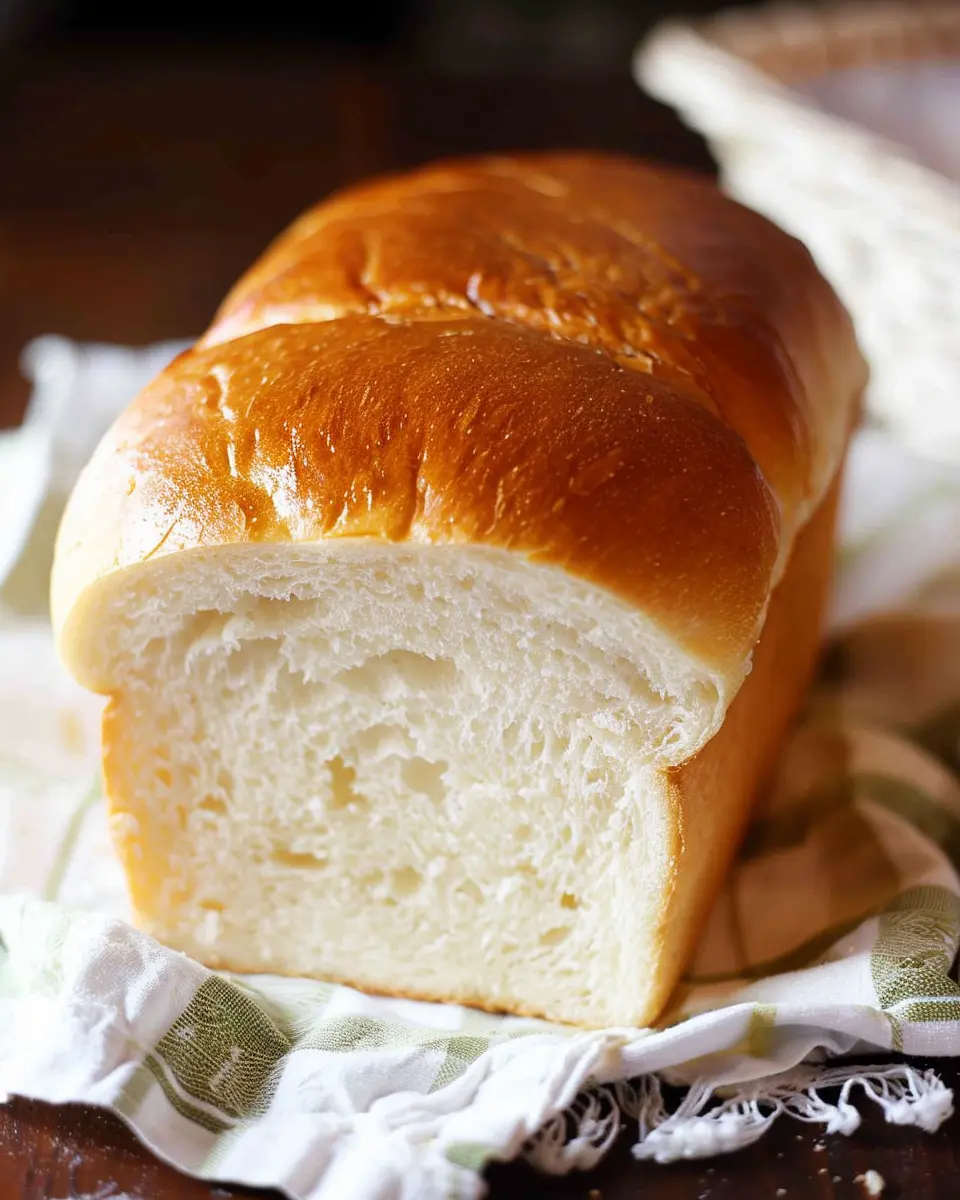
Serving suggestions for Soft Amish White Bread
Pairing with spreads and dips
When it comes to soft Amish white bread, the sky’s the limit with spreads and dips. Picture this: fresh, warm slices slathered in creamy butter or rich, tangy cream cheese. For a twist, try avocado spread topped with a sprinkle of salt and pepper. Feeling adventurous? A homemade garlic herb dip complements the bread perfectly and adds a delicious flair.
Consider exploring sweet options, too! Jam, honey, and even Nutella can turn your bread into a delightful treat for breakfast or an afternoon snack. Don’t forget that classic peanut butter and banana combo—it’s not just for kids!
Using in sandwiches and toasts
The versatility of soft Amish white bread truly shines in sandwiches. Imagine a comforting turkey bacon BLT piled high with fresh lettuce and tomatoes or a delicious chicken ham and cheese melt. Both are perfect for lunch or a quick dinner idea.
Or why not make a breakfast toast? Top your bread slices with smashed avocado and a poached egg for a satisfying start to your day. Feeling inspired? Take a look at some delicious sandwich ideas from The Kitchn for even more creativity! The options are endless, making it easy to enjoy this delightful bread in various ways.
Tips for making perfect Soft Amish White Bread
Making soft Amish white bread at home can be a delightful experience, but it’s easy to make some common mistakes. Here are some tips to help you achieve that fluffy, perfect loaf.
Avoiding common mistakes
To ensure your bread turns out soft and delicious, start by measuring your ingredients accurately. Too much flour can lead to a dense loaf. It’s best to spoon the flour into your measuring cup, then level it off with a knife. Additionally, ensure your yeast is fresh. If it doesn’t bubble when you mix it with water, it may be inactive. Always keep an eye on your dough—it should be slightly tacky but not sticky. This balance is vital for the perfect texture.
Best practices for rising
Rising is a crucial step in baking soft Amish white bread. First, create a warm environment for your dough; a slightly warm oven (turned off) works wonders. Cover the bowl with a clean kitchen towel to maintain moisture, preventing the dough from drying out. Be patient! Allowing the dough to rise until it doubles in size might take a little time, but it’s worth the wait. For the second rise, gently deflate the dough, shape it, and let it rise again—this step gives you that heavenly, airy texture.
For more expert tips, you can check out resources from the King Arthur Baking Company or America’s Test Kitchen. Happy baking!
Time Details for Soft Amish White Bread
When you decide to bake Soft Amish White Bread, it can be a comforting and fulfilling experience. Here’s a quick overview of the time you’ll need to set aside for this delightful homemade goodness.
Preparation Time
Getting started is easy and straightforward! You’ll need about 15–20 minutes to gather your ingredients and mix everything together. This is a crucial first step, so take your time to enjoy the process.
Rising Time
The real magic happens during the rising phase. This is when the dough gets to puff up and develop its wonderful texture. Plan for 1-2 hours for the dough to rise, depending on the temperature of your kitchen. A warmer space will speed up the process!
Baking Time
Now, the exciting part—baking your Soft Amish White Bread! This typically takes about 30–35 minutes. The aroma that fills your kitchen will surely draw in everyone nearby.
Total Time
In total, from start to finish, you’re looking at a 2–3 hours commitment. But don’t let that deter you; most of that time is hands-off while the dough rises!
For more tips on understanding yeast and fermentation, you can check out resources like the King Arthur Baking Company for insights that will elevate your bread-making game! The canvas of this bread opens the door to countless toppings and fillings, allowing for endless creativity. Enjoy the delicious journey of baking!
Nutritional Information for Soft Amish White Bread
When baking Soft Amish White Bread, understanding its nutritional profile is key to balancing enjoyment and health. Here’s a breakdown to help you savor every slice thoughtfully.
Calories
One slice of soft Amish white bread typically contains about 80 calories. While it’s not a calorie-heavy choice, those can add up, especially if you love sandwiches or toast!
Protein
In each slice, you’ll find around 2 grams of protein. It’s not a huge source, but when paired with toppings like turkey bacon or chicken ham, you can easily enhance the protein content of your meal.
Carbohydrates
Each slice provides about 15 grams of carbohydrates, offering that comforting energy we all need. Just remember, pairing your bread with fiber-rich toppings can make your meal even more satisfying!
If you’re curious about how nutrients can shape your dietary needs, resources from the USDA can offer valuable guidance. For more details on the health benefits of whole grains and fiber, check out this Harvard article.
Enjoy your baking and feel great about every delicious bite of Soft Amish White Bread!
FAQs about Soft Amish White Bread
Can I use whole wheat flour instead of all-purpose flour?
Absolutely! While Soft Amish White Bread is traditionally made with all-purpose flour, you can substitute whole wheat flour for a healthier option. However, keep in mind that the texture and flavor will slightly change. Whole wheat flour absorbs more moisture, so you may need to add a bit more liquid to your dough. A common approach is to use a mix of all-purpose and whole wheat flour—perhaps 50/50—to enjoy the health benefits without compromising too much on taste or texture.
How can I store leftover bread?
Storing your delicious Soft Amish White Bread properly will help maintain its freshness longer. Here are some tips:
- Room Temperature: Wrap the bread in plastic wrap or foil and keep it in a cool, dry place for up to three days.
- Freezing: For longer storage, slice the bread and freeze it. Place the slices in a freezer-safe bag, making it easy to grab a slice whenever you want.
- Toasted: Don’t forget, frozen slices can be toasted straight from the freezer, making them perfect for quick breakfasts!
What should I do if my bread doesn’t rise?
If your bread hasn’t risen as expected, don’t fret! Here are a few troubleshooting tips:
- Check your yeast: Ensure your yeast is fresh and active. A simple way to test it is by mixing it with warm water and sugar. If it bubbles, you’re good to go!
- Warm environment: Bread rises best in a warm, draft-free place. If your kitchen is too cool, consider placing the dough in an oven with just the light on or by a warm window.
- Kneading: Make sure you’re kneading the dough enough. Proper kneading develops gluten, which is essential for a good rise.
By following these tips, you’re well on your way to baking your perfect loaf of Soft Amish White Bread. If you’re interested in more tips and tricks for bread-making, check out King Arthur Baking for expert advice!
Conclusion on Soft Amish White Bread
Celebrating the Joy of Homemade Bread
Homemade bread, like soft Amish white bread, brings a special warmth to the kitchen and transforms your home into a haven of comfort. There’s something truly satisfying about the smell of fresh bread wafting through the air, isn’t there? Whether you’re serving it with Turkey Bacon for breakfast or using it as the foundation for an epic sandwich, every slice tells a story of love and care.
Engaging in the baking process not only nourishes body and soul, but it also fosters creativity. Experimenting with ingredients or adding your own twist can elevate the experience. For instance, try incorporating herbs or using alternative flours.
So, gather your ingredients, roll up those sleeves, and embrace the joy of baking your own soft Amish white bread. You won’t just enjoy its flavor, but the memories created along the way will last a lifetime. Ready for your next loaf? Check out resources like King Arthur Baking for more inspiration!
PrintSoft Amish White Bread Recipe: The Best Comfort Food at Home

Enjoy the delightful taste and fluffy texture of Soft Amish White Bread, a recipe that brings comfort to your home.
- Prep Time: 20 minutes
- Cook Time: 35 minutes
- Total Time: 1 hour 55 minutes
- Yield: 2 loaves 1x
- Category: Bread
- Method: Baking
- Cuisine: American
- Diet: Vegetarian
Ingredients
- 4 cups bread flour
- 1/4 cup sugar
- 1 tablespoon salt
- 2 teaspoons instant yeast
- 1 1/2 cups warm water
- 1/4 cup melted butter
Instructions
- In a large mixing bowl, combine warm water, sugar, and yeast. Let sit until frothy.
- Add melted butter, flour, and salt. Mix until a dough forms.
- Knead the dough on a floured surface until smooth and elastic, about 8-10 minutes.
- Place the dough in a greased bowl, cover, and let rise until doubled, about 1 hour.
- Punch down the dough and shape it into loaves. Place in greased loaf pans.
- Cover and let rise again until doubled, about 30-45 minutes.
- Bake in a preheated oven at 350°F (175°C) for 30-35 minutes or until golden brown.
- Cool on wire racks before slicing.
Notes
- For a richer flavor, replace part of the water with milk.
- Store bread wrapped in plastic for up to a week or freeze for longer storage.
Nutrition
- Serving Size: 1 slice
- Calories: 120
- Sugar: 1g
- Sodium: 150mg
- Fat: 4g
- Saturated Fat: 2g
- Unsaturated Fat: 2g
- Trans Fat: 0g
- Carbohydrates: 21g
- Fiber: 1g
- Protein: 3g
- Cholesterol: 10mg
Keywords: Soft Amish White Bread